Home Inspection Found Structural Damage in the Attic? What to Do Next
A structural finding in the attic deserves attention, but it does not automatically mean the home is unsafe or that a real estate transaction has to fall apart.
The next step is to identify exactly what the inspector observed, determine whether engineering or additional evaluation is needed, and develop a repair scope that addresses the actual framing problem.
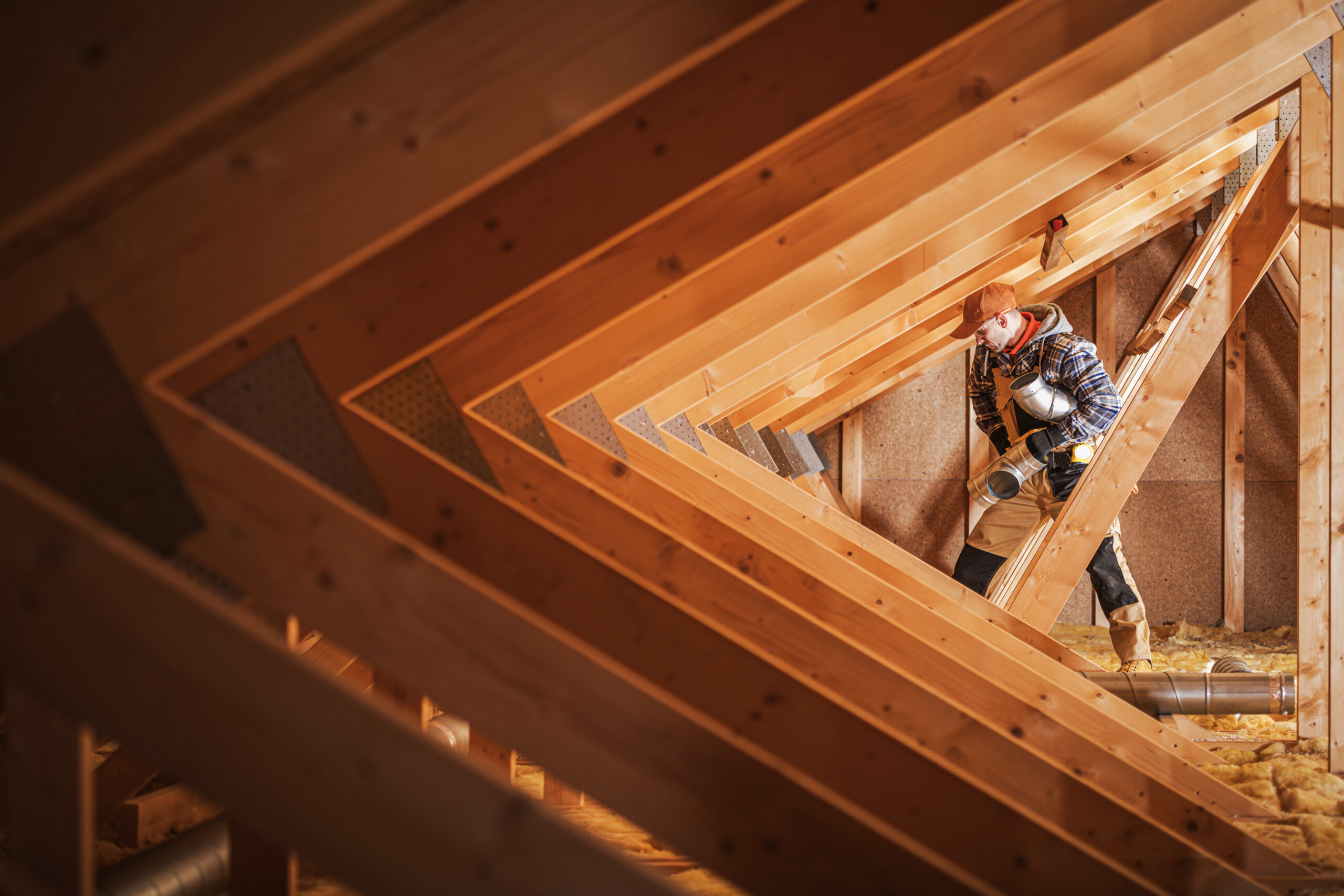
If a home inspector identifies attic structural damage, start by reviewing the exact finding and photographs. Do not assume that every crack, cut truss, loose connector, or previous repair requires the same solution.
A structural repair contractor can evaluate the affected framing and help define the next step. When the condition requires engineering, permits, or inspections, the repair should follow the applicable approved plan and documentation process.
What Is Considered Structural Damage in an Attic?
Attic structural damage generally involves framing or connections that help support the roof or ceiling system.
Depending on how the home was built, the affected components may include roof trusses, rafters, beams, ceiling framing, bracing, connector plates, or other structural wood members.
The important distinction is that an inspection finding describes a condition that was observed. It does not automatically establish the correct repair method.
A cut framing member, for example, may require a very different solution from termite-damaged wood, a damaged connector, a previous repair, or a roof area that is visibly sagging.
Common Attic Structural Findings
Cut or Altered Roof Trusses
Truss members may have been cut or modified during previous HVAC, plumbing, electrical, access, or remodeling work.
Cracked or Split Framing
Inspectors may identify cracks, splits, bowing, or other visible damage in trusses, rafters, beams, or related framing.
Connector Problems
Metal truss plates, hangers, fasteners, and other connection points may appear loose, displaced, damaged, or improperly installed.
Termite-Damaged Wood
Termite activity can weaken structural wood. Active infestation should be addressed separately from the structural repair itself.
Moisture or Rot Damage
Roof leaks or other moisture sources can damage framing and may need to be corrected along with the affected structural material.
Previous or Undocumented Repairs
Added lumber, improvised braces, unusual fasteners, or previous framing modifications may be flagged when the inspector cannot determine how or why the work was completed.
Why a Cut or Modified Roof Truss Gets Attention
Roof trusses are designed as interconnected structural assemblies. Individual members and connection points work together to transfer loads through the truss.
When a member has been cut, drilled, removed, or substantially altered, the repair should not be based on appearance alone.
The appropriate response depends on what was changed, where the alteration occurred, the condition of surrounding members, and whether an engineered repair is required.
Adding scrap lumber, screws, plywood, or metal near a damaged truss does not by itself establish that the original structural function has been restored.
For a deeper overview, read our Arizona roof truss repair guide .
What to Do After the Home Inspection
Read the Exact Inspection Finding
Review the report language and photographs rather than relying only on a verbal summary such as “there is structural damage.”
Identify the Affected Area
Determine whether the concern involves one framing member, several trusses, a connection, previous modifications, moisture damage, termite damage, or visible movement.
Request a Structural Repair Evaluation
Have the affected area evaluated by a contractor experienced with roof trusses, attic framing, and structural rehabilitation.
Determine Whether Engineering Is Needed
Some conditions can require a structural engineer to prepare repair specifications or drawings before construction begins.
Define the Repair Scope
The repair scope should identify the affected area, proposed repair, materials, and any engineering, permitting, or inspection steps that apply.
Complete the Repair & Keep the Documentation
Retain applicable proposals, engineered details, permit records, inspection records, invoices, photographs, and other documentation associated with the completed work.
How Serious Is Attic Structural Damage?
There is no useful universal answer based only on the phrase “structural damage.”
The seriousness of the condition depends on what is damaged, the extent of the damage, where it occurs in the framing system, whether movement or deterioration is continuing, and whether other members or connections are affected.
Factors That May Increase Concern
- Multiple damaged framing members
- Substantially cut or removed truss members
- Visible roof sag or movement
- Extensive wood deterioration
- Damage at important connections
- Ongoing water or termite damage
- Previous repairs of unknown design
Why Evaluation Matters
Two inspection reports may both use the words “damaged truss” even though the required repairs are completely different.
The purpose of the next evaluation is to move from a broad inspection observation to a defined condition and appropriate repair path.
How Attic Structural Repairs May Be Addressed
Structural repair is not a one-method-fits-all service. The repair should correspond to the damaged component, cause, original framing, and any applicable engineered design.
Framing Reinforcement
An existing member may be reinforced with additional framing when that approach is appropriate for the specific condition and repair design.
Connection Repair
Damaged or inadequate connections may require specified plates, connectors, fasteners, or other hardware.
Damaged Wood Replacement
Wood that has been substantially compromised by deterioration, pests, or other damage may require removal and replacement as part of the repair.
Altered Truss Repair
Cut or modified trusses may require a repair detail designed to restore the intended structural function of the affected area.
Added Support or Bracing
Some repair designs may incorporate additional framing, blocking, bracing, or support depending on the underlying condition.
Engineered Repair Plans
When engineering is required, construction can be completed according to the approved structural repair detail and applicable inspection requirements.
Learn more about our structural repair services in Phoenix and the West Valley .
Do You Need a Structural Engineer?
Not every attic repair follows the same process.
Depending on the condition, an engineer may need to evaluate the framing, prepare a repair detail, specify connections or materials, or provide drawings that can be used for permitting and construction.
This can be particularly relevant when the issue involves substantially altered trusses, multiple affected members, unusual framing conditions, visible movement, or a repair that requires formal structural documentation.
When engineering is required, the contractor's role is to complete the work according to the approved repair plan and coordinate the construction-related steps that apply to the project.
Structural Repairs During a Real Estate Transaction
Structural findings can create uncertainty during escrow because the parties need to understand what is wrong, what the repair involves, who will complete it, and what documentation will be available afterward.
The requirements of a buyer, seller, lender, insurer, appraiser, or other party can vary by transaction, so it is better to confirm the specific requirement than assume every inspection finding must be handled the same way.
Helpful Information to Gather
- Inspection report
- Inspector photographs
- Repair evaluation
- Written repair scope
- Engineering documents when required
- Permit information when applicable
- Completion photographs
- Invoices and applicable inspection records
Keep Communication Specific
Instead of saying “the attic has structural damage,” identify the actual condition.
For example, a transaction is easier to evaluate when the parties know whether the issue is one altered truss, termite-damaged framing, a previous repair, or a larger area requiring an engineered repair plan.
What Affects the Cost of Attic Structural Repair?
Attic structural repair costs can vary substantially because the phrase “structural damage” covers many different conditions.
A small localized framing repair and a project involving several damaged trusses, engineering, difficult attic access, and extensive wood replacement are not comparable scopes.
Repair-Scope Factors
- Type of structural component
- Number of members affected
- Extent of damage
- Required reinforcement or replacement
- Engineering requirements
- Materials and hardware
Property & Access Factors
- Attic accessibility
- Working clearance
- Mechanical equipment in the work area
- Permit or inspection requirements
- Related moisture or termite damage
- Finish restoration outside the attic, when required
A meaningful structural repair estimate should be based on the specific framing condition and the repair that actually needs to be completed.
How Long Does an Attic Structural Repair Take?
There is no reliable universal repair timeline.
The construction itself may be relatively straightforward on some projects, but the overall schedule can also depend on engineering, material availability, access, permitting, inspections, termite treatment, moisture correction, or coordination with an active real estate transaction.
If the home is under contract, share the relevant deadline when requesting an evaluation so scheduling and documentation needs are understood from the beginning.

Written by Travis
Travis is the founder of Sticks ’n Steel Construction, a family-owned Arizona construction company.
He grew up around general contractors in Southern Arizona and developed hands-on construction experience before moving into construction project management.
Travis earned a degree in business management and economics from the University of Arizona and later managed hundreds of construction projects across the United States and Canada.
Today, Travis personally oversees Sticks ’n Steel projects, including structural repair work involving damaged roof trusses, attic framing, beams, posts, and other structural components.
Learn more about Travis and the company on the About Sticks ’n Steel Construction page.
Related Structural Repair Resources
Attic & Structural Repairs Across the Northwest Valley
Sticks ’n Steel Construction provides structural repair services for homeowners, buyers, sellers, and real estate professionals in Phoenix and surrounding Northwest Valley communities.
- Phoenix
- Peoria
- Surprise
- Buckeye
- Waddell
- Litchfield Park
Attic Structural Damage FAQs
Does structural damage in the attic mean the house is unsafe?
Not necessarily. The phrase “structural damage” can describe conditions ranging from localized framing problems to more significant structural concerns. The actual condition needs to be evaluated before its severity can be determined.
Can a house with attic structural damage still be sold?
A structural finding does not automatically prevent a sale. How the issue is handled depends on the transaction, the repair scope, negotiations between the parties, and any requirements established by other parties involved in the transaction.
Does a cut roof truss have to be replaced?
Not automatically. Depending on the damage and repair design, a truss may be repairable without complete replacement. The correct method depends on the specific truss and condition.
Do I need a structural engineer for a damaged roof truss?
Some truss repairs require engineering and some conditions may be addressed differently. The need for engineering depends on the damage, framing configuration, required repair, documentation, and applicable permitting requirements.
Who should repair structural damage found during a home inspection?
The repair should be handled by a contractor with relevant structural-repair experience. When an engineered repair plan is required, the work should follow that approved plan and applicable permit or inspection requirements.
How much does attic structural repair cost?
Cost depends on the type and extent of damage, number of framing members involved, attic access, required materials, engineering, permitting, inspections, and related conditions such as moisture or termite damage. A site-specific repair scope is needed for a meaningful estimate.
How long does attic structural repair take?
Timing depends on the repair scope and whether engineering, permits, inspections, materials, pest treatment, moisture repairs, or other coordination is required. A project-specific schedule is more useful than a generic repair-time estimate.
What documents should I keep after a structural repair?
Keep the inspection report, repair proposal, applicable engineering documents, permits, inspection records, invoices, photographs, and other records associated with the completed repair.
Get Clarity on the Attic Structural Finding
If a home inspection identified a damaged truss, altered framing, termite-damaged wood, roof sag, or another attic structural concern, send us the inspection information and tell us where the property is located.
Sticks ’n Steel Construction can help evaluate the repair scope and determine the appropriate next step.