
Shade • Vehicle protection • Equipment storage • Flexible covered space
Metal Carports in Arizona: A Smarter Way to Protect Your Vehicles, Equipment, and Space
If you live in Arizona, you already know how brutal the sun, heat, and sudden storms can be on anything left outside. From faded paint and cracked interiors to long-term wear on equipment, exposure adds up fast.
A well-built metal carport does more than cover a vehicle. It protects your investment, creates usable space, and adds a practical structure that can work for your property every day.
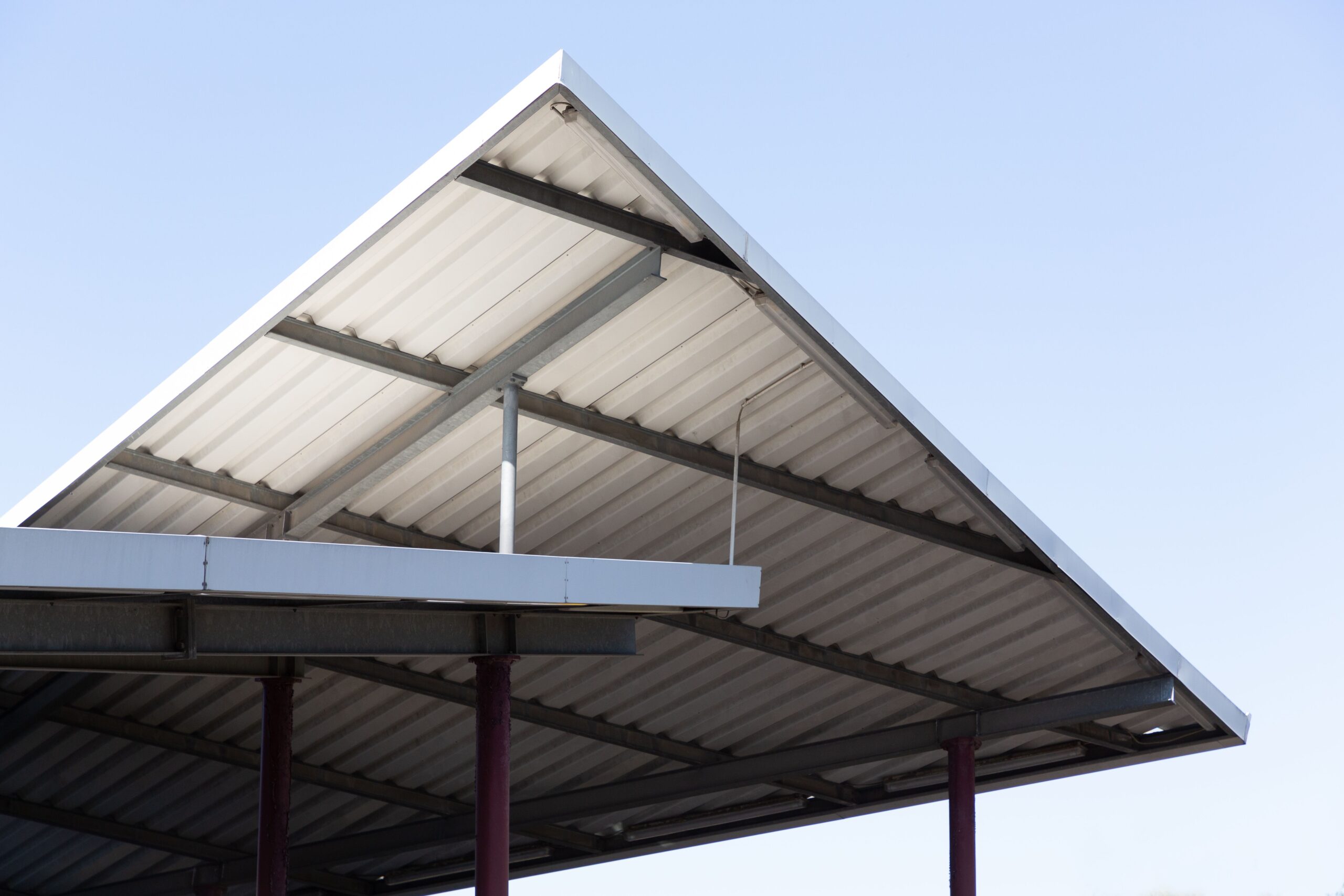
Shelter and storage designed for real use
Durable Metal Carports for Arizona Properties
Metal carports are one of the most practical and durable solutions for protecting vehicles, equipment, and outdoor belongings. Whether you need coverage for a daily driver, work truck, boat, or RV, a properly designed structure can provide reliable protection from intense UV exposure, rain, hail, dust, and seasonal weather.
Beyond vehicle protection, metal carports can serve as storage areas, workshops, equipment shelters, or covered outdoor spaces. Their strength, relatively low maintenance requirements, and long service life make them a useful investment for homeowners and business owners.
For enclosed options, visit our Mueller steel building and garage and workshop construction pages.
Strength starts with the material and engineering
Understanding the Robust Nature of Metal Carport Materials
The durability of a metal carport comes down to the steel, protective coatings, connections, anchoring, roof system, and how the complete structure is engineered for its site.
Why Steel Frames Form Strong Carport Structures
Steel does not rot, warp, or attract wood-destroying insects. It can also support larger open spans with fewer interior obstructions, creating useful room for vehicles, equipment, and storage.
Galvanized Metal and Corrosion Resistance
Galvanized steel includes a protective zinc coating that helps resist rust and corrosion. Coatings, drainage, installation details, and routine inspections still matter for long-term outdoor performance.
Comparing Metal Gauges
Steel thickness affects resistance to bending, dents, and impact. Gauge should be considered together with framing layout, spans, bracing, connections, engineering, and local design loads—not treated as the only measure of quality.
Quality Construction and Service Life
A properly designed, fabricated, anchored, and maintained metal carport can provide decades of useful service. Cutting corners on the foundation, anchors, connections, drainage, or roof detailing can undermine even good materials.
Design around the property and what goes underneath
Selecting the Right Metal Carport for Your Needs
Measure Vehicles and Clearance
Consider vehicle length, width, height, mirrors, doors, hitches, rooftop accessories, turning path, and the space needed to walk, load, unload, and maintain the vehicle. Building slightly beyond today’s minimum can provide future flexibility.
Choose an Appropriate Roof Style
Roof form affects appearance, drainage, height, wind behavior, and how the carport relates to nearby buildings. Gable, single-slope, and other configurations should be evaluated against the lot, drainage direction, and architectural goals.
Customize for Arizona Conditions
Side panels, roof overhangs, gutters, downspouts, colors, trim, lighting, and partial enclosures can improve shade, weather protection, drainage, appearance, and everyday usability.
Understand Pre-Engineered Kits
Pre-engineered components can simplify fabrication, but the project may still require site-specific foundation work, anchoring, permits, engineering, setbacks, drainage planning, and professional assembly. A kit is not automatically permit-exempt or appropriate for every lot.
Protection that extends beyond the roof footprint
Maximizing Protective Coverage With Your Metal Carport
Sun and Weather Protection
A metal carport reduces direct UV exposure and helps protect vehicles from rain, hail, dust, and debris. Orientation, roof size, overhangs, vehicle position, and optional side panels affect how much protection the structure provides throughout the day.
Coverage for RVs and Boats
RVs, boats, trailers, and recreational equipment benefit from covered storage, but their height, length, turning radius, rooftop equipment, and access requirements must be measured carefully.
Covered Work Areas
A metal carport can create shade for repairs, projects, equipment maintenance, or work tasks. Lighting, power, drainage, ventilation, and secure storage should be planned according to the intended use.
Outdoor Living Space
When zoning and the property support the use, a carport-style structure may provide shade for gatherings or outdoor activities. Location, heat, lighting, fans, drainage, and relationship to the home all influence comfort.
Equipment and Work-Truck Shelter
Covered space can protect landscaping equipment, trailers, work trucks, machinery, and job materials while keeping them accessible for daily use.
Solar-Ready Planning
If future solar panels are a possibility, structural loads, roof orientation, electrical routing, equipment locations, and access should be considered before the carport is engineered and built.
Make the covered area work harder
Practical Storage Applications for Metal Carports
Metal carports can be adapted into organized, multipurpose spaces. Storage should be planned so it does not block vehicle doors, reduce safe circulation, collect water, or create unsecured exposure.
- Lockable storage rooms or cabinets
- Vertical shelving systems
- Covered lawn-equipment storage
- Tool and parts organization
- Trailer and recreational gear storage
- Combined parking and workspace zones
Plan Security and Enclosure Early
Adding walls, doors, utilities, or enclosed storage later may change the structure’s wind behavior, foundation needs, ventilation, fire separation, and permit requirements. If partial or future enclosure is likely, include it in the original design conversation.
Durable protection with flexible utility
The Long-Term Value of Choosing Metal
Relatively Low Maintenance
Metal structures generally require less routine treatment than exposed wood. Cleaning debris, inspecting coatings, checking connections, managing drainage, and addressing scratches or corrosion early can help preserve performance.
Protection for Valuable Assets
Reducing direct sun and weather exposure can help protect vehicle finishes, interiors, tires, equipment, boats, trailers, and stored materials from avoidable wear.
Property Appearance and Function
A properly proportioned carport with coordinated colors, trim, roof form, and placement can add useful covered area without looking like an unrelated afterthought.
Recyclable Material
Steel is widely recyclable, and a durable structure that remains useful for many years can reduce the need for premature replacement and unnecessary material waste.
Before ordering materials or selecting a kit
Arizona Site Planning, Permits, and Anchoring
A carport may look simple, but its placement and construction can be controlled by zoning, setbacks, easements, lot coverage, height, drainage, fire separation, structural design, and HOA standards. Permit requirements vary by jurisdiction and project scope.
The foundation and anchoring system must be designed for the structure, soil or slab conditions, wind loads, and site. A carport roof can collect significant wind force, so anchoring should never be treated as an afterthought.
- Confirm the city or county jurisdiction
- Review property lines and setbacks
- Identify easements and utilities
- Check lot coverage and height limits
- Plan drainage and roof runoff
- Coordinate foundation and anchors
- Review wind and structural requirements
- Obtain separate HOA approval if required
Performance depends on the entire installation
Building and Maintaining a Durable Metal Carport
Site and Use Review
Measure vehicles and equipment, identify the desired location, confirm access, and define whether the structure will be used for parking, storage, work, or multiple purposes.
Feasibility and Design
Review setbacks, easements, lot coverage, height, drainage, utilities, HOA requirements, structure type, roof form, and site-specific engineering needs.
Foundation and Anchoring
Prepare the pad, slab, footings, or other approved support system and coordinate anchors with the engineered structure and site conditions.
Professional Assembly
Install framing, bracing, connections, roofing, trim, gutters, panels, and accessories according to the approved plans and manufacturer requirements.
Routine Inspection
Keep the roof and drainage paths clear, inspect connections and coatings, address damage or corrosion, and confirm that water is moving away from the structure.
Common carport questions
Frequently Asked Questions
Are metal carports durable in Arizona?
They can be very durable when the structure, coatings, roof system, foundation, anchoring, and connections are appropriate for the site and maintained over time. Quality engineering and installation matter as much as the steel itself.
Can a metal carport be customized?
Yes. Size, height, roof style, color, trim, gutters, side panels, partial enclosure, lighting, storage, and other features can be planned around the property and intended use.
Do metal carports require maintenance?
Maintenance is generally limited, but not zero. Periodically remove debris, inspect roof panels, coatings, fasteners, anchors, gutters, and connections, and address scratches, corrosion, movement, or drainage problems promptly.
How long can a metal carport last?
A quality metal carport can provide decades of service. Actual lifespan depends on materials, coatings, engineering, foundation, installation, exposure, drainage, damage, and maintenance.
Do I need a permit for a metal carport in Arizona?
Permit requirements depend on the jurisdiction, size, height, location, attachment, foundation, and project scope. Zoning, setbacks, easements, lot coverage, and HOA approval may apply even when someone describes a structure as a kit.
Can a metal carport cover an RV or boat?
Yes, when it is designed around the vehicle’s actual length, width, travel height, rooftop equipment, turning path, and access needs. Larger vehicles usually require more careful site and structural planning.
Metal carport and steel-building construction
Plan a Carport That Fits Your Property
Metal carports offer durability, versatility, and long-term value for vehicle protection, equipment storage, work areas, and other covered uses. Sticks’n Steel Construction can help evaluate the site, clarify the intended use, and determine the right next step for a custom metal structure in the Phoenix area.