Mueller Steel Buildings in Arizona: Custom Steel Construction, Pricing, and Benefits
Mueller steel buildings are pre-engineered metal building systems designed for durability, rapid assembly, and long-term value—qualities that matter for Arizona property owners facing heat, wind, and monsoon seasons. This article explains what Mueller steel buildings are, how they perform in Arizona’s climate, typical cost drivers and financing options, the types of projects they suit, and the local construction process from design through erection. Many homeowners and commercial clients ask whether a steel garage, workshop, or barndominium is a practical investment in Phoenix and the NW Valley; this guide delivers practical answers and decision-making checklists to help you evaluate options. We cover permitting and foundation requirements specific to the region, compare kit versus custom builds, and outline lifecycle benefits such as energy efficiency and low maintenance. Readers will also find clear guidance on selecting a local contractor and how a turnkey approach streamlines permits, engineering, and construction for Mueller products. Throughout we use Arizona–focused examples and specifications so you can move confidently from concept to quote request.
What Are Mueller Steel Buildings and Why Choose Them in Arizona?
Mueller steel buildings are factory-engineered pre–fabricated metal building systems that combine steel framing, roof panels, and wall panels to create durable structures with predictable performance. This system-level approach reduces on-site fabrication and minimizes errors, producing faster timelines and consistent structural behavior in high-heat, high-wind environments. Choosing a pre–engineered metal building in Arizona delivers benefits such as reduced pest and rot vulnerability, resistance to hail and fire exposure, and compatibility with high-reflectance finishes to limit solar heat gain. Understanding these attributes helps homeowners and commercial owners weigh long-term maintenance savings and resilience versus conventional construction. Next we break down the defining components and why those components matter for desert climates.
Pre-Engineered Buildings: Cost and Time Savings Approach
PEBs are very helpful in reducing the overall time and cost of the structure as compared to the conventional ones. This method is adoptable not only because of its prefabrication and pre-designing but also because of its cost and weight saving abilities. In this project, an attempt has been made to exhibit the comparative study of conventional and pre-engineered steel structures.
Pre-Engineered Buildings—A Cost Saving Approach, 2021
What Defines Mueller Steel Buildings and Pre-Engineered Steel Structures?
Mueller steel buildings are defined by factory-fabricated components—steel frames, purlins, girts, roof and wall panels—designed to bolt together on site with engineered connections. Factory engineering creates a modular system where column and rafter geometry, panel profiles, and fasteners are specified to meet structural loads; this reduces field cutting and on-site fabrication, improving quality control. The meronymic parts—roof panels, wall panels, steel framing, purlins, and girts—work together to deliver a sealed envelope that can be finished with insulation and interior build-outs. Because the manufacturer supplies engineered details, local contractors focus on foundations, site work, and erection, which speeds delivery and reduces change-order risks. Understanding these components leads directly to why the system performs well under Arizona conditions.
Why Are Mueller Steel Buildings Ideal for Arizona’s Climate?
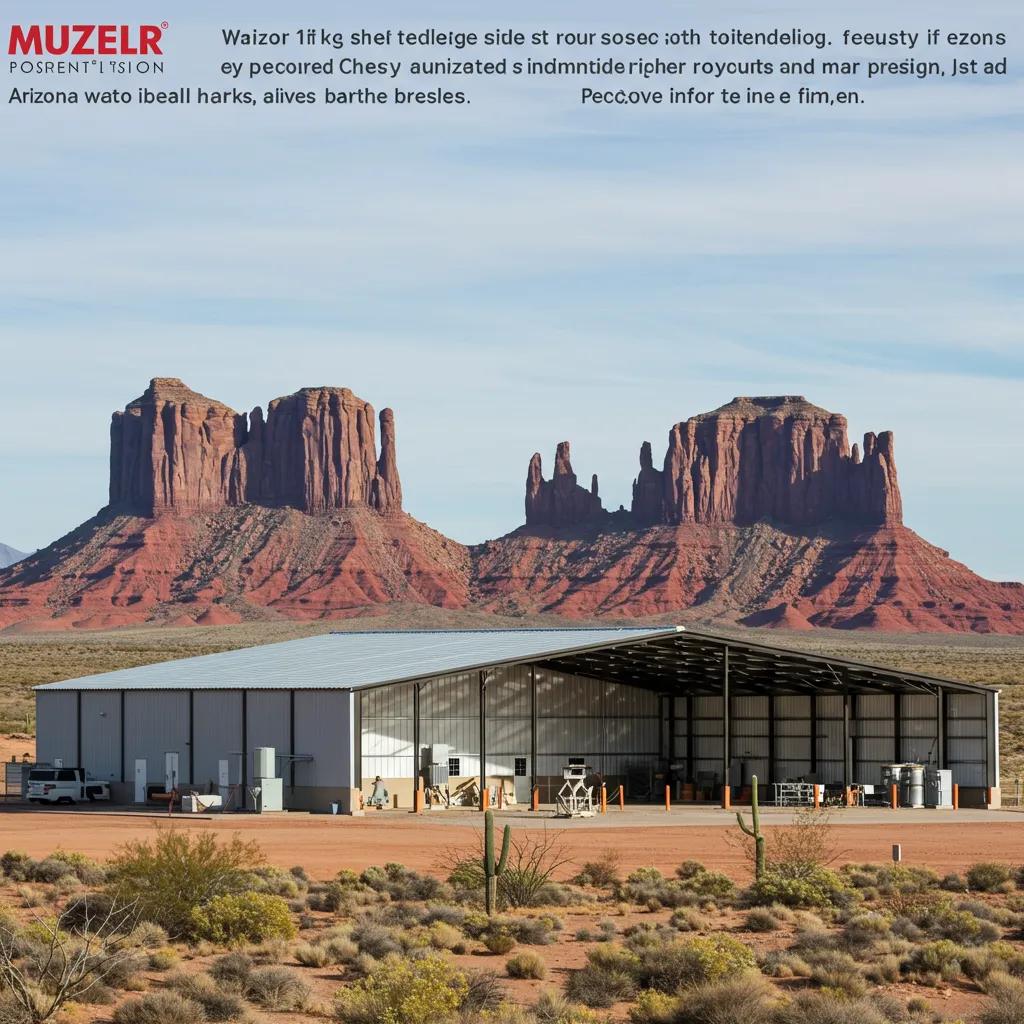
Mueller systems are well-suited to Arizona because steel resists issues common with wood construction such as termite damage and rot, and metal panels paired with reflective coatings reduce thermal absorption when combined with proper insulation. Steel framing provides reliable structural capacity for monsoon and high–wind design requirements when engineered to local code, and roof panels with impact ratings can withstand occasional hail events better than many conventional roof systems. Insulation systems and reflective finishes enable energy performance improvements that reduce cooling loads during long, hot summers when paired with ventilation and shading strategies. These climate-related advantages translate into lower maintenance, fewer repairs after storms, and potentially lower insurance classifications—advantages that matter for owners in Phoenix and the NW Valley.
How Does Mueller’s 90+ Year Reputation Ensure Quality?
Mueller Inc.’s long industry presence signals mature manufacturing controls, product testing, and ongoing refinements to panel profiles and connections that matter to buyers seeking predictable performance. Manufacturer-controlled fabrication processes reduce variability between projects, and standardized production enables readily available replacement parts and consistent warranty terms tied to material performance. That manufacturing pedigree reduces lifecycle risk because design details such as panel coatings and fastener protection have been refined to address corrosion and UV exposure in harsh climates. These manufacturer strengths make it easier for local contractors to coordinate engineered drawings and deliver buildings that meet client expectations for durability and fit.
How Much Do Mueller Steel Buildings Cost in Arizona?
Typical Mueller steel building costs in Arizona vary widely based on size, finish level, foundation requirements, and site preparation; a concise range is possible only after accounting for those factors. Cost drivers include square footage and clear–span needs, door and window packages, insulation and interior finishes, site grading, utility hookups, and local labor rates for foundation and erection. Understanding these variables helps set expectations prior to a formal quote and clarifies which items the manufacturer supplies versus what local contractors provide. Below we present an EAV-style table that breaks down common cost drivers to help you scan influences and prepare for a realistic budget conversation. After reviewing cost drivers and financing considerations, the next subsection explains how long-term savings often offset higher initial investments.
| Cost Component | What It Covers | Typical Influence on Price |
|---|---|---|
| Building Size & Clear-Span | Framing, panels, roof area | Primary driver; larger spans increase steel and complexity |
| Finish Level | Doors, windows, insulation, interior walls | Moderate to high; insulated, finished interiors raise cost |
| Foundation & Site Prep | Slab design, grading, soil remediation | High if poor soils or difficult access |
| Labor & Erection | Crane, crew, assembly time | Variable by region and schedule |
| Utilities & Permits | Electrical, plumbing, inspections | Moderate; impacted by local code and hook-ups |
What Factors Influence Mueller Steel Building Prices?
Several intertwined factors determine pre-engineered metal building cost: the building footprint and clear span determine material quantities; roof slope and accessories affect panel pricing; and finish level (insulated walls, doors, windows) changes both materials and labor. Site-specific factors such as access, grading, and soil conditions can require heavier foundations or additional site work, which often surpass material costs in impact. Local code requirements for wind loads and seismic factors also influence engineering time and steel sizing, while the decision to add mezzanines or complex interior finishes increases complexity. Recognizing which variables are most important for your use case helps prioritize design decisions before requesting a formal estimate.
Are There Financing Options for Mueller Steel Buildings?
Owners commonly finance steel building projects through construction loans, commercial equipment financing, or homeowner financing depending on occupancy and use; each route requires accurate cost documentation for lender underwriting. Lenders typically request engineered drawings, a detailed scope of work, and contractor estimates to assess collateral and repayment ability, so having professional plans speeds approval. Sticks’n Steel Construction can assist clients by preparing permit-ready documents and recommending local lenders familiar with pre–engineered metal buildings—helpful when borrowers need lender references. For many owners, phased financing aligned with construction milestones reduces upfront capital needs and aligns payments with delivery and erection schedules.
How Do Long-Term Savings Make Mueller Steel Buildings Cost-Effective?
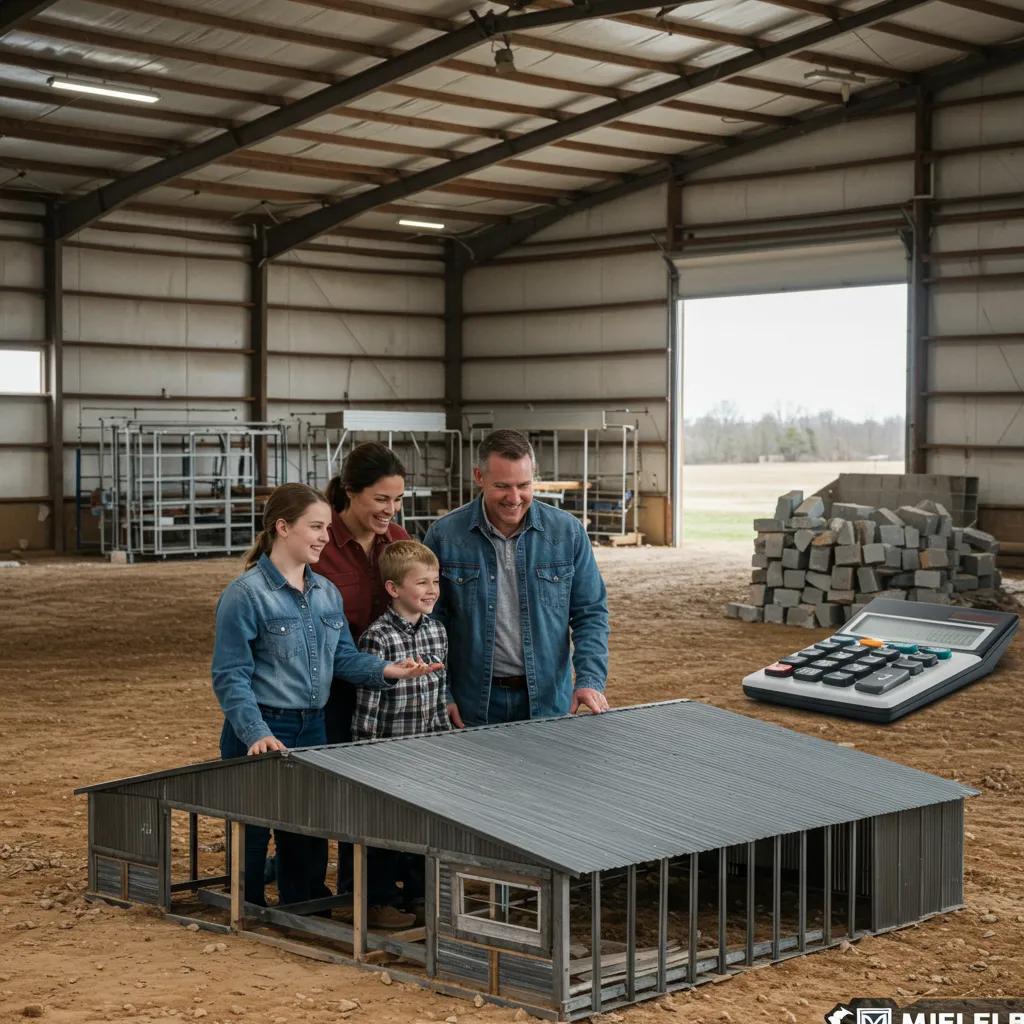
Mueller steel buildings often deliver lifecycle cost advantages through lower maintenance, longer service life, and improved energy performance when properly insulated and finished. Steel’s resistance to pests and rot eliminates common repair cycles required by wood structures, while reflective roof coatings and thermal barriers reduce annual cooling loads in desert climates. These operational savings, combined with fewer replacement cycles and reduced insurance exposure after storms, can justify higher initial investment over a multi-decade ownership horizon. Owners planning for resale or mixed-use occupancy should weigh these lifecycle benefits against upfront costs when selecting finishes and scope.
What Types of Mueller Steel Buildings Can You Build in Arizona?
Mueller systems support a variety of building types—garages, workshops, commercial structures, agricultural barns, and barndominiums—each tailored through bay spacing, clear heights, and finish packages. Choosing the right building type depends on intended use, occupancy, and site constraints; for example, a garage prioritizes door sizes and storage, while a commercial building requires ADA and restroom provisions. Below we provide a comparison table that helps owners match building types to uses and common customization options, and then explore garage, workshop, and barndominium use-cases with practical design checklists. These distinctions inform whether a kit solution or a custom design is the better path forward.
| Building Type | Typical Uses | Customization Options |
|---|---|---|
| Garage | Vehicle storage, hobby shop | Overhead doors, insulated walls, service bays |
| Workshop | Fabrication, small manufacturing | Mezzanines, heavy-duty floors, ventilation |
| Commercial | Retail, office, storage | Interior partitions, restrooms, HVAC |
| Agricultural Barn | Livestock, equipment storage | Open bays, ventilation, feed areas |
| Barndominium | Residential + barn | Full interior finishes, plumbing, HVAC |
How Are Custom Mueller Steel Garages Designed and Built?
Custom Mueller steel garages begin with determining vehicle types, door sizes, and storage or workspace needs, which set bay width and clear height requirements and influence foundation sizing. Electrical layout for lighting and outlets, HVAC considerations for climate control, and insulation choices for thermal comfort are planned early because they affect wall and roof panel selections. Permitting and HOA rules in Phoenix NW Valley often dictate exterior colors, roof profiles, and setback compliance, so early coordination is essential. Sticks’n Steel Construction offers local design review and permit navigation to tailor garage builds to lot conditions and HOA standards.
What Are the Options for Mueller Steel Workshops and Commercial Buildings?
Workshops and commercial spaces built with Mueller systems can range from simple shell buildings to fully finished tenant-improvement projects with mezzanines, offices, restrooms, and specialty services. Structural capacity and bay spacing determine allowable equipment loads and workflow layout, while interior build-outs require coordination of MEP systems and accessibility elements in compliance with commercial codes. Mechanical ventilation and dust control are common workshop upgrades that affect roof penetrations and panel selection, and commercial occupancies may need additional fire separation or sprinkler systems. Planning for these fit-outs during the design phase avoids costly mid-project changes.
Can Mueller Steel Buildings Be Used for Agricultural and Barndominium Projects?
Mueller systems adapt well to agricultural uses—open barns and equipment sheds—with options for large clear spans and roll-up doors that facilitate operations, while barndominiums combine living spaces with open work areas using insulated panels and full interior finishes. Converting a steel shell into an occupied residence requires attention to insulation, HVAC sizing, plumbing, and egress requirements that differ from simple storage buildings. Zoning and permit review are critical for mixed-use occupancy, particularly where residential code provisions apply; early engagement with local authorities and a contractor experienced in regional permitting reduces approval delays. For landowners seeking mixed-use solutions, early design coordination streamlines the path from concept to certified occupancy.
What Customization Options Are Available for Size, Roof, and Accessories?
Customization options for Mueller buildings include bay spacing and clear height choices, various roof slopes and overhangs, and accessory packages such as gutters, trim, colors, and door/window selections that tailor aesthetics and function. Door options range from standard overhead to full-height service doors, while roof choices affect drainage and solar reflectance; color and trim choices influence HOA approvals and curb appeal. Accessory add-ons like skylights, canopies, and insulated roll-up doors enhance usability while affecting budget. Selecting the right combination of structural and accessory options early helps control costs and ensures the final building meets both functional and neighborhood requirements.
What Is the Mueller Steel Building Construction Process in Phoenix and Surrounding Areas?
The construction process for Mueller steel buildings follows a predictable sequence: design and engineering coordination with the manufacturer, permit submittal and approval, foundation construction, delivery and erection of the pre–engineered frame and panels, and final finishes and inspections. Each phase has specific deliverables and timelines, and local code and HOA requirements influence the permitting timeline within Phoenix and the NW Valley. Below is an EAV-style construction timeline that outlines phases, key tasks, and typical notes so owners know what to expect and where local contractors fit. After the table we explain how a local turnkey partner manages these steps to reduce client risk.
| Phase | Key Tasks | Timeline / Notes |
|---|---|---|
| Design & Engineering | Manufacturer drawings, site plan, foundation design | 2–6 weeks depending on complexity |
| Permitting | Prepare permit packets, HOA coordination | Variable by jurisdiction; plan for 2–8 weeks |
| Foundation | Soil testing, slab or pier work, rebar placement | 1–3 weeks depending on site |
| Erection | Delivery, crane setup, bolt-up, panel install | 3–7 days for typical small buildings |
| Finishes & Inspections | Doors, insulation, electrical, final inspections | 1–4 weeks depending on finish scope |
How Does Sticks’n Steel Handle Design, Permitting, and Engineering?
Sticks’n Steel Construction operates as a local execution partner that coordinates Mueller manufacturer drawings with local engineering requirements, prepares permit packets, and manages HOA interactions for clients in the Phoenix NW Valley. The contractor compiles site plans, engineered foundation drawings, and submittal packages needed for local jurisdictions, reducing back-and-forth and keeping approvals on schedule. By managing documentation and approvals, the contractor helps lenders and owners get accurate cost-ready estimates and streamlines the path to foundation work. This local coordination is particularly valuable where municipal and HOA nuances affect materials, colors, and roof profiles.
What Are the Foundation Requirements for Mueller Steel Buildings in Arizona?
Common foundation solutions for pre–engineered buildings in Arizona include slab-on-grade systems and reinforced edge beams sized for local soil conditions, with design choices driven by building loads and clear spans. Soil testing informs slab thickness, reinforcement, and potential mitigation for expansive or variable desert soils; proper compaction and drainage strategies prevent long-term settlement issues. Foundation design must account for anchor bolt patterns provided in the manufacturer’s anchor plans, and local contractors typically prepare engineer-stamped foundation drawings to match those requirements. Attention to drainage and perimeter grading during site prep protects slab integrity over the building’s life.
How Is the Erection and Assembly of Mueller Steel Buildings Managed?
Erection of a Mueller building follows a bolt–up sequence: delivery and staging, column and rafter assembly, purlin/girt installation, roof and wall panel attachment, and final sealing and trim work, typically requiring crane access and a trained crew. Safety checks and inspection points occur at anchor bolting, frame plumb and level verification, and panel fastener torqueing to ensure structural integrity. Scheduling crane and crew availability is essential to avoid delays; efficient staging reduces on-site time and minimizes site disturbance. Post-erection inspections and sealing complete the envelope before interior finishes proceed.
What Does a Turnkey Mueller Steel Building Solution Include?
A turnkey solution generally includes full-service scope items such as design coordination, permit procurement, foundation construction, erection, and finish work to deliver a ready-to-use building without the owner managing multiple trades. Turnkey offerings may also include post-construction support and coordination for warranty items, simplifying communication for owners and lenders. Exclusions often include specialty equipment or owner-supplied fixtures, so clear scopes prevent scope creep. Hiring a local turnkey contractor reduces administrative burden and aligns delivery milestones with financing and inspection schedules.
What Are the Key Benefits of Mueller Steel Buildings for Arizona Property Owners?
Mueller steel buildings offer resilience against regional risks, energy-efficiency potential, and lower lifetime maintenance compared with conventional wood construction—benefits that align with Arizona property goals for durability and low operating costs. Steel resists termite damage and rot, reflective roof systems reduce heat gain, and engineered designs withstand wind and hail better than many alternatives when properly specified. Owners gain value through longer service life and adaptability: open bays can be reconfigured as needs change, and finishes can be upgraded without structural alteration. The following lists summarize core performance advantages and then describe technical aspects that produce those benefits.
- Durability: Steel resists pests, rot, and many storm-related damages that affect wood structures.
- Energy potential: Reflective coatings and insulation options reduce cooling loads in hot climates.
- Low maintenance: Longer intervals between repairs and predictable lifecycle costs.
How Do Mueller Steel Buildings Resist Arizona Heat, Wind, and Pests?
Steel framing and metal panels inherently resist termite damage and biological decay, eliminating common wood vulnerabilities in desert environments. Properly specified reflective roof coatings and insulation reduce thermal transfer into the interior, improving occupant comfort and lowering cooling demand. Structural engineering to local wind-load requirements ensures the frame can resist monsoon gusts common in the region, and attention to panel overlaps and fastener specifications prevents water intrusion during storms. Combined, these features produce a durable envelope suited to Arizona’s environmental stresses.
What Fire and Hail Resistance Features Do Mueller Steel Buildings Offer?
Mueller roof and wall panels with higher impact and fire-resistance ratings reduce vulnerability to hail damage and provide a fire-performance advantage compared with combustible materials. Non-combustible steel framing slows fire spread and can simplify code compliance for certain occupancies, potentially influencing insurance underwriting. Selecting rated roof panels and ensuring proper attachment and sealing further reduces the chance of failure during severe weather events. These features often translate into lower maintenance and quicker recovery after storms.
How Do Mueller Steel Buildings Provide Energy Efficiency and Longevity?
Energy efficiency in steel buildings depends on insulation type, R-values, thermal breaks, and reflective roof coatings; a properly specified assembly significantly cuts cooling energy in hot climates. Installing high-performance insulation systems and thermally broken components reduces thermal bridging through steel members, while overhangs and shading strategies reduce direct solar gain. Longevity arises from corrosion-resistant coatings and low-maintenance materials that retain performance over decades, reducing the need for frequent repairs or replacements. Together, these choices create durable, cost-effective performance for long-term ownership.
How Do Mueller Steel Building Kits Compare to Custom Builds in Arizona?
Mueller offers both kit-style pre-engineered systems and fully custom design solutions; the best choice depends on site complexity, desired finish level, and timeline. Kits deliver cost and lead-time advantages for straightforward sites and non-complex uses, while custom builds accommodate unique lot constraints, high-end finishes, or mixed-occupancy needs. Below we present a concise list comparing the advantages of each approach and follow with guidance for selecting the right path, including how local contractors support both kit assembly and full design-build projects. Making this decision early avoids costly revisions and shortens permit cycles.
- Kits: Lower cost, standardized components, faster lead times—ideal for simple garages or storage buildings.
- Custom: Site-specific engineering, complex interiors, and refined aesthetics—best for barndominiums and tenant improvements.
- Contractor support: Local installers handle foundation, permits, and assembly whether you choose a kit or custom design.
What Are the Advantages of Mueller Steel Building Kits?
Kits are attractive for owners who want predictable pricing, standardized components, and faster procurement since the manufacturer supplies engineered frames and panels ready for local assembly. Kits reduce design time and are cost-efficient where site conditions are simple and minimal civil work is required. They suit DIY-capable owners or contractors who can assemble per manufacturer instructions and meet local permitting needs. However, kits may be limited when aesthetic or interior customization requirements are high.
When Should You Choose a Custom Mueller Steel Building?
Custom builds are the right choice when sites have challenging topography, unique aesthetic goals, or when the building will include complex interior systems requiring coordinated MEP and architectural finishes. For barndominiums, mixed-use occupancies, or commercial fit-outs, custom engineering and full design coordination ensure compliance and long-term functionality. Custom solutions add design time and cost but provide precise fit, better long-term value for specialized uses, and reduced retrofit risk. Early consultation helps owners quantify these trade-offs.
How Does Sticks’n Steel Construction Support Both Kit and Custom Projects?
Sticks’n Steel Construction supports clients across the spectrum: they install manufacturer-supplied kits, modify kits to suit site conditions, and deliver full design-build services for custom projects that require permit, engineering, foundation, and finish coordination. As a local partner focused on NW Valley permitting and HOA navigation, the company manages documentation and communication from sketch to inspection, reducing client workload. Their full-service approach helps clients choose the appropriate procurement path and ensures alignment between manufacturer deliverables and on-the-ground construction. Prospective owners benefit from a single point of contact through project completion.
Where Can You Find Trusted Mueller Steel Building Contractors in Phoenix and Arizona?
When seeking a contractor for Mueller steel building projects, prioritize local expertise in permitting, HOA navigation, and turnkey delivery to keep projects on schedule and within code requirements. Sticks’n Steel Construction is presented here as a local full-service partner for Northwest Valley projects, offering design, permits, engineering coordination, foundation work, and erection tailored to garages, workshops, and other steel projects. Below we explain why local experience matters, list service areas, and provide a practical checklist of what to prepare when requesting a quote so contractors can deliver accurate budgets and timely site reviews.
Why Choose Sticks’n Steel Construction for Mueller Steel Building Projects?
Sticks’n Steel Construction emphasizes local NW Valley permitting and HOA expertise, full-service solutions that include design, permits, engineering, and construction, and high-quality craftsmanship with seamless communication from sketch to inspection. These UVPs reduce approval friction and align manufacturer requirements with local code and site realities, speeding projects from concept to completion. The company’s focus on garages, workshops, and structural rehabilitation means they bring practical buildability insights that improve cost predictability. For owners seeking a local turnkey partner for Mueller projects, this combination of local knowledge and full-service capability supports smoother execution.
What Areas in Arizona Does Sticks’n Steel Serve for Steel Building Construction?
Sticks’n Steel Construction serves homeowners, property owners, and commercial clients in the Phoenix Northwest Valley communities, explicitly including Peoria, Surprise, Buckeye, Waddell, and Litchfield Park, with responsiveness for site visits and permitting nuances. Local familiarity with each jurisdiction’s permit processes and HOA standards helps avoid common delays and ensures plans match local requirements. Their regional focus supports faster site assessments and better coordination with local inspectors. Owners in these communities gain the advantage of a contractor experienced with area-specific constraints and approvals.
How Can You Request a Quote or Consultation for Your Mueller Steel Building?
To get an accurate quote, gather site photos, approximate measurements, intended use-case, and any HOA covenants or plat information; these items speed initial scoping and reduce the need for multiple site visits. Provide information about desired finish level—doors, insulation, interior fit-out—and any timeline constraints so the contractor can prepare realistic schedules and budgets. Sticks’n Steel offers free consultations and site reviews to assess conditions and recommend foundation types and permit strategies, enabling tailored, lender-ready estimates. Early engagement streamlines permitting and aligns expectations for project milestones.
- Prepare site photos and measurements to accelerate quoting.
- List intended use and finish preferences to clarify scope.
- Schedule a site review or consultation to get a personalized estimate.