Roof Truss Repair in Arizona: Signs, Costs & When to Hire an Expert
Learn what causes roof truss damage, which warning signs homeowners should watch for, how professional repairs are completed, and when structural engineering or permitting may be required.
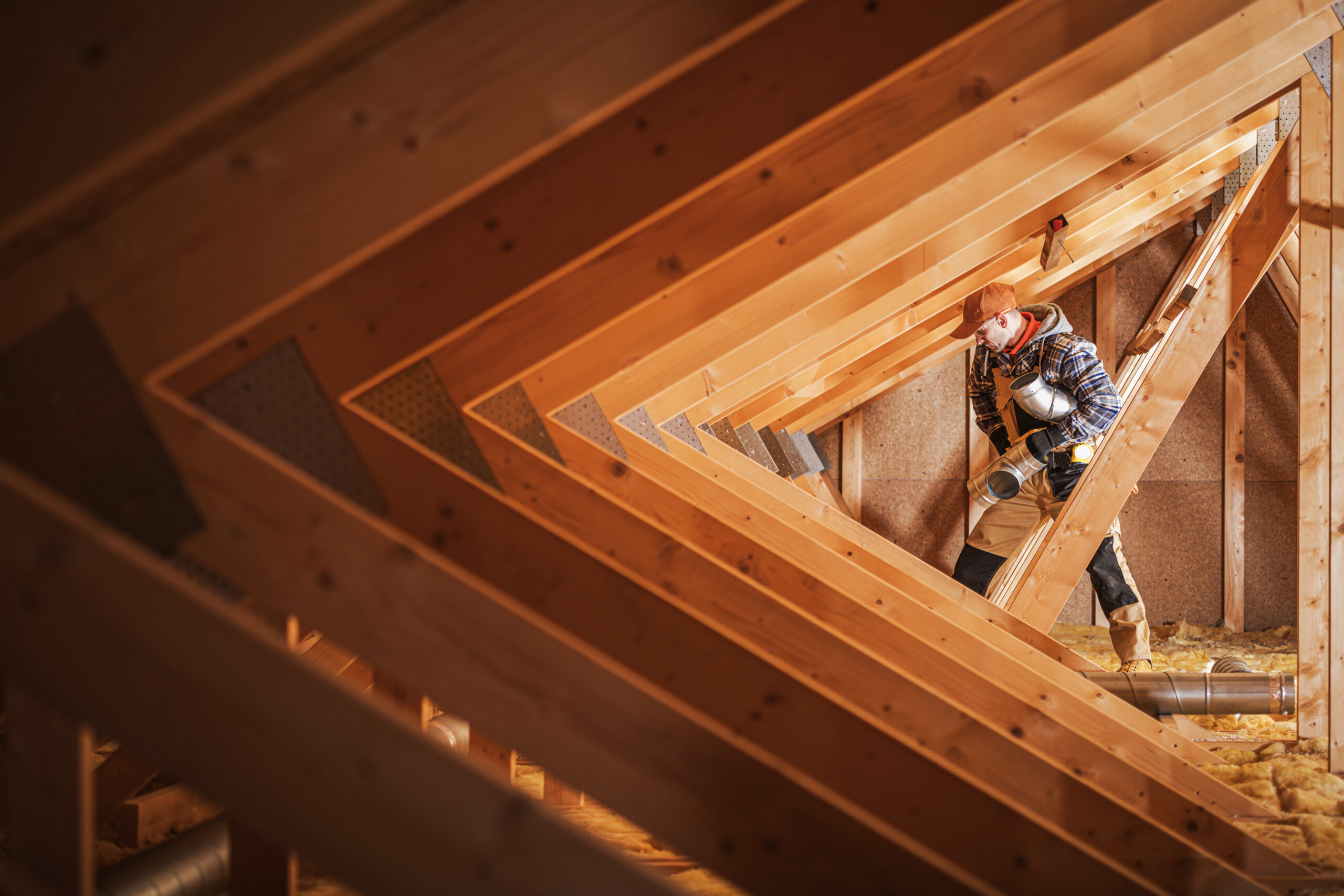
Roof trusses are among the most important structural components of a building. They are engineered to support the roof, distribute loads, maintain structural balance, and transfer weight safely through the walls and foundation below.
When a roof truss becomes cut, cracked, weakened, deteriorated, or improperly modified, the problem may affect more than a single piece of framing. Because trusses work together as engineered systems, damage to one component can change how forces move through surrounding members.
Arizona homes can face additional challenges from extreme heat, seasonal monsoon moisture, roof leaks, termites, aging materials, and previous remodeling work. What initially appears to be a small framing problem may require structural repair once the full condition is evaluated.
This guide explains what causes roof truss damage, the warning signs to watch for, how professional truss repairs are approached, what affects repair costs, and when an engineer may need to become involved.
Understanding How Roof Trusses Work
A roof truss is an engineered framework designed to support roof loads while using a relatively small amount of structural material. The top chords, bottom chord, web members, and connection points work together to transfer forces through the structure.
Unlike conventional framing that may rely more heavily on individual rafters and beams, a truss depends on its complete geometric configuration. Altering one member can affect the behavior of the entire assembly.
That is why a damaged roof truss should not automatically be treated like ordinary damaged lumber. A crack, cut web, missing connection, deteriorated member, or previous modification needs to be evaluated in the context of the full structural system.
What Causes Roof Truss Damage in Arizona?
Roof truss damage can result from environmental conditions, pests, construction mistakes, moisture intrusion, or modifications made years after the original structure was built.
Roof Leaks & Moisture
Water entering through roofing, flashing, penetrations, or damaged exterior materials can expose framing to repeated moisture and eventual deterioration.
Termite Activity
Termites can weaken structural wood internally, sometimes before the full extent of the damage becomes obvious from the attic or living area.
Improper HVAC Modifications
Truss members are sometimes cut or altered to create space for ductwork, air handlers, vents, or other mechanical equipment.
Plumbing & Electrical Work
Unauthorized drilling, cutting, or removal of structural members can compromise an engineered truss.
Previous Remodeling
Older renovations may have altered roof framing without proper engineering, permitting, or structural reinforcement.
Age & Previous Damage
Older structures can accumulate damage from leaks, pests, previous repairs, material deterioration, or decades of modifications.
Warning Signs of Roof Truss or Structural Damage
Some structural problems are clearly visible in the attic. Others first appear as changes elsewhere in the home.
- A sagging or uneven roofline
- Visible cuts in truss webs or chords
- Cracked or split structural wood
- Missing or altered truss members
- Water staining around roof framing
- Soft or deteriorated structural lumber
- Termite-damaged wood
- Separation around structural connections
- New ceiling or drywall cracks
- Structural concerns identified during a home inspection
Sagging, drywall cracks, stains, or visible framing damage do not automatically prove that a roof truss has failed. They are reasons to have the affected area evaluated so the actual cause and appropriate repair requirements can be determined.
What Happens if Roof Truss Damage Is Ignored?
Structural damage does not always remain static. Continued moisture, termite activity, movement, or load transfer through a weakened member can allow deterioration to progress.
A small area of visible damage may also be only one part of the problem. For example, a cut truss discovered near an HVAC system may indicate that other framing members were modified during the same installation.
Addressing the concern early makes it easier to investigate the affected area, determine whether engineering is required, and develop an appropriate repair scope before additional damage occurs.
A Roof Truss Should Never Be Cut Just Because Something Is in the Way
Trusses are engineered systems. Cutting a structural member to make room for ductwork, electrical wiring, plumbing, attic access, or another installation can change how loads are transferred through the entire truss.
When an existing truss has already been altered, the safest approach is to determine whether an engineered repair detail is required rather than guessing at reinforcement.
How Professional Roof Truss Repair Works
A proper truss repair begins with understanding the damage, how it occurred, and whether the repair requires structural engineering or permitting.
Evaluate the Damage
The affected truss and surrounding roof framing are reviewed for cracks, cuts, deterioration, movement, previous repairs, moisture damage, or other modifications.
Determine Whether Engineering Is Required
Certain structural repairs may require specifications or drawings from a qualified structural engineer before repair work begins.
Develop the Repair Scope
The repair method is determined based on the framing condition and, when applicable, the approved engineering specifications.
Complete the Structural Repair
Depending on the repair design, work may include structural reinforcement, sistering, replacement lumber, plates, bolts, fasteners, blocking, or other specified connections.
Handle Applicable Permit Requirements
Permit requirements vary according to the jurisdiction and repair scope. Required permits should be addressed when applicable.
Complete Required Inspections & Documentation
When required, inspections and supporting completion documentation can help establish that the approved repair scope has been completed.
Learn more about our structural repair services in Phoenix .
Did an Inspection Find a Cut or Damaged Roof Truss?
Sticks’n Steel Construction works with homeowners, buyers, sellers, and real estate professionals to address damaged roof trusses, attic framing, and other structural concerns.
How Much Does Roof Truss Repair Cost in Arizona?
There is no single reliable price for roof truss repair because the scope can range from reinforcement of an isolated damaged member to substantial reconstruction involving multiple trusses.
The final cost can depend on:
- The type and severity of structural damage
- The number of affected trusses
- Attic accessibility
- Whether engineering is required
- Permit and inspection requirements
- Specified lumber, plates, bolts, and fasteners
- Damage to surrounding roof framing
- Termite or moisture deterioration
- The extent of demolition and reconstruction required
A straightforward isolated repair may require significantly less labor than a project involving several altered trusses, difficult attic access, engineering, and extensive reconstruction.
For that reason, an evaluation of the actual framing condition is more useful than relying on a generic online price range.
Can a Roof Truss Be Repaired, or Does It Need Replacement?
Many damaged roof trusses can be repaired. Complete replacement is not automatically necessary simply because a member is cracked or has been altered.
The appropriate solution depends on factors such as:
- The location of the damage
- The amount of sound material remaining
- Whether multiple trusses are affected
- The presence of extensive termite or moisture damage
- Previous unauthorized structural modifications
- The condition of surrounding framing
- The structural engineer’s specifications when engineering is required
Depending on the condition, a repair may reinforce the existing truss rather than remove it entirely.
Choosing the Right Contractor for Roof Truss Repair
Structural framing repair is different from ordinary cosmetic carpentry. The contractor needs to understand how to execute structural repair work accurately and, when required, follow engineered plans.
When evaluating a contractor, consider:
- Appropriate Arizona contractor licensing
- Experience performing structural framing repairs
- Experience working from engineered repair specifications
- Knowledge of local permitting requirements
- Ability to coordinate required inspections
- Relevant project experience
- Clear scopes of work and project communication
Learn more about founder Travis Malboeuf and the background of Sticks’n Steel Construction .
Why DIY Roof Truss Repair Is Risky
A repair can look substantial without actually restoring the intended structural performance of the truss.
DIY structural repairs may create problems involving:
- Incorrect load transfer
- Improper lumber dimensions or grades
- Incorrect fastener patterns
- Insufficient overlap or reinforcement
- Unapproved cuts or alterations
- Missing structural connections
- Building permit problems
- Safety hazards inside an attic or on a roof
A truss repair should address the structural condition rather than simply cover the visible damage.
How to Reduce the Risk of Future Truss Damage
Not every structural problem can be prevented, but homeowners can reduce avoidable deterioration by addressing conditions that commonly damage roof framing.
- Repair roof leaks promptly
- Monitor for signs of termite activity
- Maintain appropriate attic ventilation
- Address moisture intrusion quickly
- Avoid cutting or altering trusses without professional review
- Investigate questionable previous modifications
- Address structural concerns identified during home inspections
Roof Truss Repair in Phoenix & the Northwest Valley
Sticks’n Steel Construction provides structural repair and roof truss repair services throughout Phoenix and surrounding Northwest Valley communities.
Frequently Asked Questions About Roof Truss Repair
Can damaged roof trusses be repaired?
Many damaged roof trusses can be repaired depending on the type, location, and extent of the damage. Some repairs may require an engineered repair plan.
How serious is roof truss damage?
The severity depends on the specific condition. A small isolated defect may require a limited repair, while a cut, cracked, deteriorated, or significantly altered structural member may require engineering and more substantial work.
How long does roof truss repair take?
The timeline depends on access, the number of affected trusses, damage severity, engineering, permitting, inspections, materials, and the repair method required.
Does homeowners insurance cover roof truss repair?
Coverage depends on the cause of the damage and the terms of the individual insurance policy. Homeowners should confirm potential coverage directly with their insurance carrier.
When should a damaged roof truss be evaluated?
Consider an evaluation when you discover visible cuts, cracks, deterioration, sagging, termite damage, water-related damage, inspection findings, or other changes involving structural roof framing.
Concerned About Damaged Roof Framing?
If you have discovered a cut truss, cracked framing, termite damage, inspection findings, or another structural concern, contact Sticks’n Steel Construction to discuss the appropriate next step.