
Protective Beam Caps for Exposed Beams in Arizona
After a damaged beam end has been repaired, protecting the most exposed portion of the wood can help reduce future weather exposure.
Arizona homes often feature exposed vigas, rafter tails, patio beams and decorative beam extensions that contribute to the home's Southwestern character. Those same architectural details are also exposed to intense sun, heat and seasonal moisture.
Protective beam caps can be added after appropriate repair or restoration to help shield vulnerable beam ends from direct exposure.
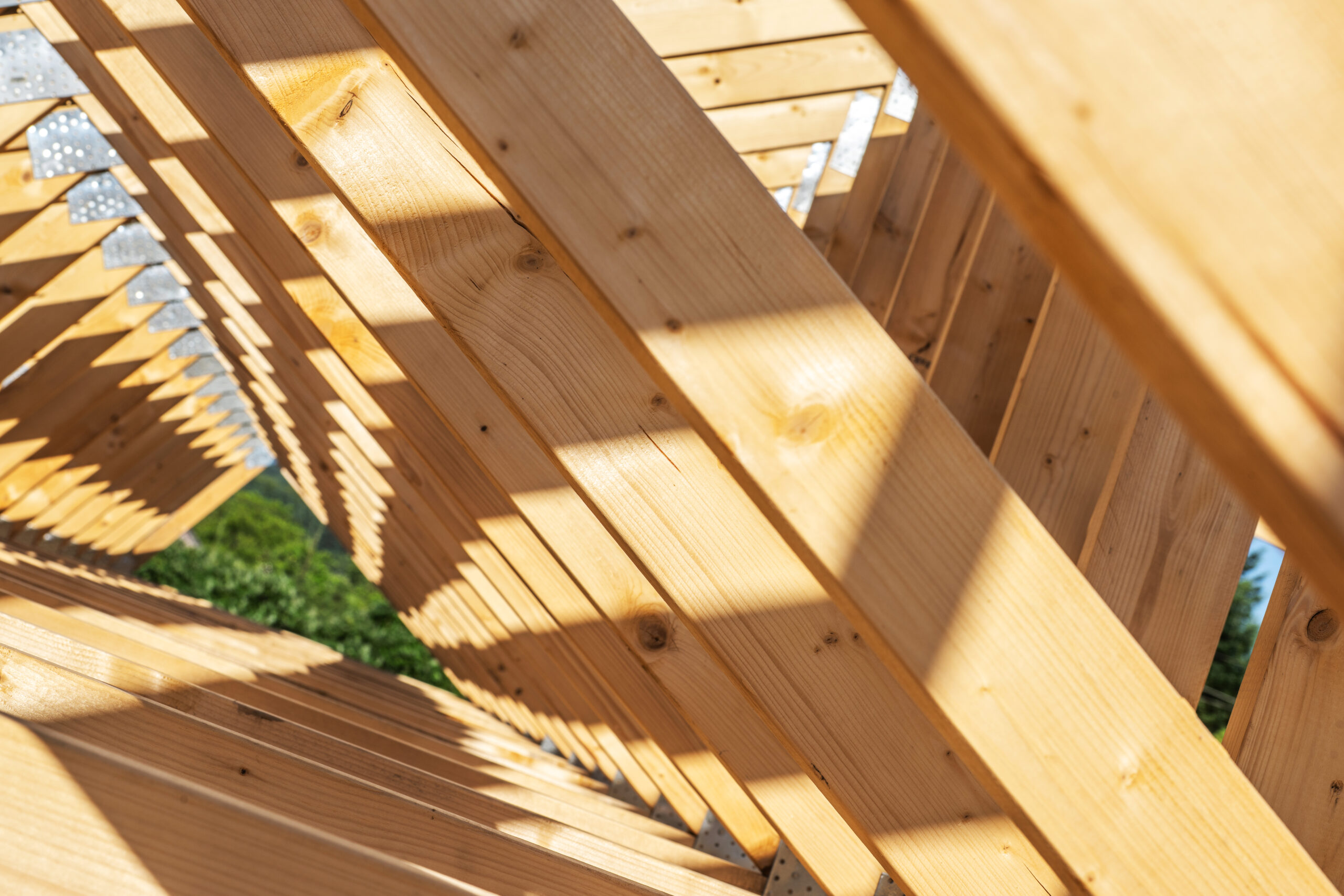
Exposed beams are a distinctive feature of many Arizona homes. They add texture, depth and architectural character to patios, parapets, porches, rooflines and Southwestern-style exterior elevations.
But because these beams are exposed to Arizona sun, heat, wind and seasonal moisture, their ends can crack, split, weather and deteriorate over time.
For many homeowners, the repair does not end with rebuilding the damaged beam end. Once the exposed beam has been properly repaired, it may make sense to protect the most vulnerable portion of the wood from future direct exposure. That is where protective beam caps can help.
Sticks ’n Steel Construction provides beam end repair and exposed beam restoration throughout the Phoenix area. When appropriate, protective beam caps can be installed after restoration to help shield repaired beam ends, vigas, rafter tails and patio beams from future sun and moisture.
A cap should not be installed simply to hide soft, rotted or unstable wood. The underlying beam condition should be evaluated and properly repaired first.
What Are Protective Beam Caps?
Protective beam caps are covers installed over exposed beam ends to help reduce direct weather exposure. They are often fabricated from metal and shaped to fit the end of the beam after repair or restoration work is complete.
The idea is straightforward: the end of an exterior beam is often one of its most exposed surfaces. It can receive direct sunlight, wind and rain, while the exposed end grain can be especially vulnerable when coatings begin to fail.
A properly installed cap creates another barrier between that repaired beam end and the surrounding environment.
Protective caps do not make exterior wood maintenance-free. They work best as part of a larger repair strategy that includes removing damaged material, rebuilding or restoring the beam when appropriate, finishing the wood correctly and continuing to inspect the area over time.
Why Exposed Beam Ends Need Extra Attention
Exterior beam ends in Arizona can experience long periods of strong sunlight and heat, followed by seasonal rain and wind. Over time, the finish on exposed wood may weather, crack, peel or fail.
Once cracks and splits develop, moisture can reach areas of the wood that were previously protected.
UV Exposure
Direct sunlight contributes to surface weathering and breakdown of exterior finishes.
Heat & Drying
Repeated heat exposure can contribute to drying, checking and splitting in exposed wood.
Seasonal Moisture
Monsoon rain and wind-driven moisture can enter failed coatings, cracks and exposed wood surfaces.
Finish Failure
Aging paint, stain and sealant may leave the underlying wood more vulnerable to weather.
Repeated Movement
Exterior wood naturally responds to changing temperature and moisture conditions over time.
Previous Repairs
Older patch repairs can fail when they are repeatedly exposed to the same conditions that contributed to the original damage.
For more background, read why exposed beams deteriorate in Arizona .
How Beam Caps Help Reduce Sun Exposure
Direct sunlight is a major source of weathering for exterior wood in Arizona.
UV exposure and heat can contribute to finish breakdown, surface drying and cracking. Once the finish begins to fail, the repaired wood may be exposed again.
A beam cap helps shield the end of the beam so the repaired surface is not taking the full impact of direct sun throughout the day.
- Reduces direct UV exposure at the beam end
- Helps shield repaired surfaces from weathering
- Reduces direct exposure of the end grain
- Can help protect the finish on the restored area
- Provides an additional barrier at highly exposed beam ends
How Beam Caps Help Reduce Moisture Exposure
Exterior wood in Arizona can still be exposed to substantial seasonal moisture.
Monsoon storms can push rain into cracks, failed coatings and exposed end grain. Once moisture gets into deteriorated wood, it may contribute to additional softening, staining and decay.
A properly fitted cap helps reduce the amount of direct water contact at the repaired beam end.
This can be particularly useful after epoxy beam restoration or another repair method when the rebuilt section remains in a highly exposed location.
When Beam Caps Make Sense After Repair
Beam caps can be especially useful when the repaired end will continue to receive substantial sun or weather exposure.
- The beam extends beyond a roofline or parapet
- The end receives prolonged direct sunlight
- The beam has already cracked, split or deteriorated
- The beam end was rebuilt or restored
- Previous patch repairs failed in the same exposed location
- The architectural design allows for a clean cap installation
- The homeowner wants to reduce direct exposure at the repaired end
The decision depends on the beam condition, location, exposure and architectural appearance of the home.
Protective Caps for Vigas, Rafter Tails & Patio Beams
Protective caps can be used on several types of exposed wood features commonly found on Arizona and Southwestern-style homes.
Vigas
Decorative or exposed viga ends can often be repaired while preserving their original architectural character.
Rafter Tails
Exposed rafter ends may be vulnerable where the wood extends beyond protected roof areas.
Patio Beams
Patio beams may receive prolonged sun exposure and seasonal moisture at their ends.
Decorative Beam Extensions
Beam extensions at parapets and exterior elevations can often be restored instead of automatically replacing the full beam.
Learn more about viga beam repair for Southwestern homes .
Beam Caps vs. Leaving Repaired Wood Exposed
A repaired beam end can sometimes remain exposed when it is well protected by the building and receives limited direct weather.
Highly exposed beam ends are different. Their finish continues to take the full impact of Arizona sun and seasonal weather after the repair is complete.
| Consideration | Repaired Wood Left Exposed | Repaired Wood With Cap |
|---|---|---|
| Direct Sun | Finish and wood remain directly exposed. | Cap helps shield the beam end. |
| Rain Contact | End remains directly exposed during storms. | Cap helps reduce direct water contact. |
| Maintenance | Requires regular finish inspection. | Still requires periodic inspection and maintenance. |
| Appearance | Maintains the visible wood-end appearance. | Adds a visible protective detail. |
| Best Fit | More sheltered beam ends. | Highly exposed repaired beam ends. |
Do Beam Caps Replace Maintenance?
No.
Protective caps reduce exposure but do not make the surrounding wood, coatings or installation maintenance-free.
Exterior beams should still be inspected periodically, particularly around highly exposed areas.
- New cracks or splitting
- Loose or damaged caps
- Failed sealant
- Peeling or deteriorated coatings
- Moisture staining
- Movement around the cap
- Soft or deteriorated surrounding wood
How Beam Caps Fit Into the Beam Repair Process
Protective caps are generally installed toward the end of the repair process.
Evaluate the Damage
Determine how far cracking, rot or deterioration extends into the beam.
Remove Unsound Material
Loose, deteriorated or unstable wood is removed until appropriate material remains for the repair.
Restore the Beam End
Missing or damaged portions may be rebuilt or restored when that approach is appropriate for the condition.
Shape & Finish
The repaired beam is shaped, sanded and finished to match the original profile as closely as practical.
Install the Protective Cap
When appropriate, the cap is fitted over the restored end to reduce future direct exposure.
The underlying condition should be repaired first so the cap protects a properly restored or prepared beam end.
Why Beam Caps Can Make Sense for Arizona Homes
Exposed vigas, rafter tails and patio beams contribute to the architectural character of many Arizona homes.
When deterioration is limited to the beam end and the remaining wood is suitable for restoration, repairing the damaged area can help preserve the existing feature rather than automatically replacing the entire beam. [oai_citation:2‡Sticks N Steel Construction](https://sticksnsteelconstruction.com/beam-end-repair/?utm_source=chatgpt.com)
Protective caps can then provide another layer of protection at the area that was already vulnerable.
The strongest approach is usually a combination of appropriate repair, proper finishing, protection where useful and continued inspection over time.
Written by Travis
Travis is the founder of Sticks ’n Steel Construction, a family-owned Arizona construction company.
Travis grew up in a family of general contractors in Southern Arizona and developed hands-on construction experience before moving into project management.
He later earned a degree in business management and economics from the University of Arizona and managed hundreds of construction projects across the United States and Canada. [oai_citation:3‡Sticks N Steel Construction](https://sticksnsteelconstruction.com/about-us/?utm_source=chatgpt.com)
Today, Travis personally oversees Sticks ’n Steel projects, including exposed beam repair, beam end restoration and other residential construction work. [oai_citation:4‡Sticks N Steel Construction](https://sticksnsteelconstruction.com/about-us/?utm_source=chatgpt.com)
Related Beam Repair Resources
Frequently Asked Questions
What are protective beam caps?
Protective beam caps are covers, often fabricated from metal, installed over exposed beam ends to help reduce direct sun, rain and weather exposure.
Do beam caps prevent exposed beams from rotting?
They can help reduce direct exposure that contributes to future deterioration, but they do not guarantee that wood will never rot. The beam still needs proper repair, finishing and maintenance.
Should beam caps be installed before or after beam repair?
After. Damaged or unstable wood should first be appropriately repaired or restored. A cap should protect a properly prepared beam end rather than conceal unresolved deterioration.
Can beam caps be used on vigas?
Yes, when the beam condition and architecture allow for an appropriate installation. Caps can be used to reduce direct exposure at repaired viga ends.
Are protective beam caps visible?
Usually, yes. Their appearance depends on the beam, fabrication and installation. A well-planned cap should look intentional rather than improvised.
Do capped beams still need maintenance?
Yes. The cap, surrounding wood, sealants and exterior finishes should still be inspected periodically for wear or deterioration.
Need Beam End Repair or Protective Caps in Phoenix?
If your vigas, rafter tails, patio beams or exposed beam ends are cracked, split, weathered or deteriorated, Sticks ’n Steel Construction can evaluate the condition and explain whether restoration, replacement or protective caps make sense for the affected area.