
Viga Beam Repair for Southwestern & Arizona-Style Homes
Preserve the distinctive exposed wood details of your Southwestern-style home while addressing cracking, rot, weathering and deterioration at vulnerable viga ends.
Vigas help define the character of Pueblo, Santa Fe and Southwestern architecture. Unfortunately, the exposed portions of these beams also receive some of the harshest sun and weather exposure on the home.
Sticks ’n Steel Construction repairs and restores damaged viga ends throughout the Phoenix area, with an emphasis on preserving the original architectural character whenever appropriate.
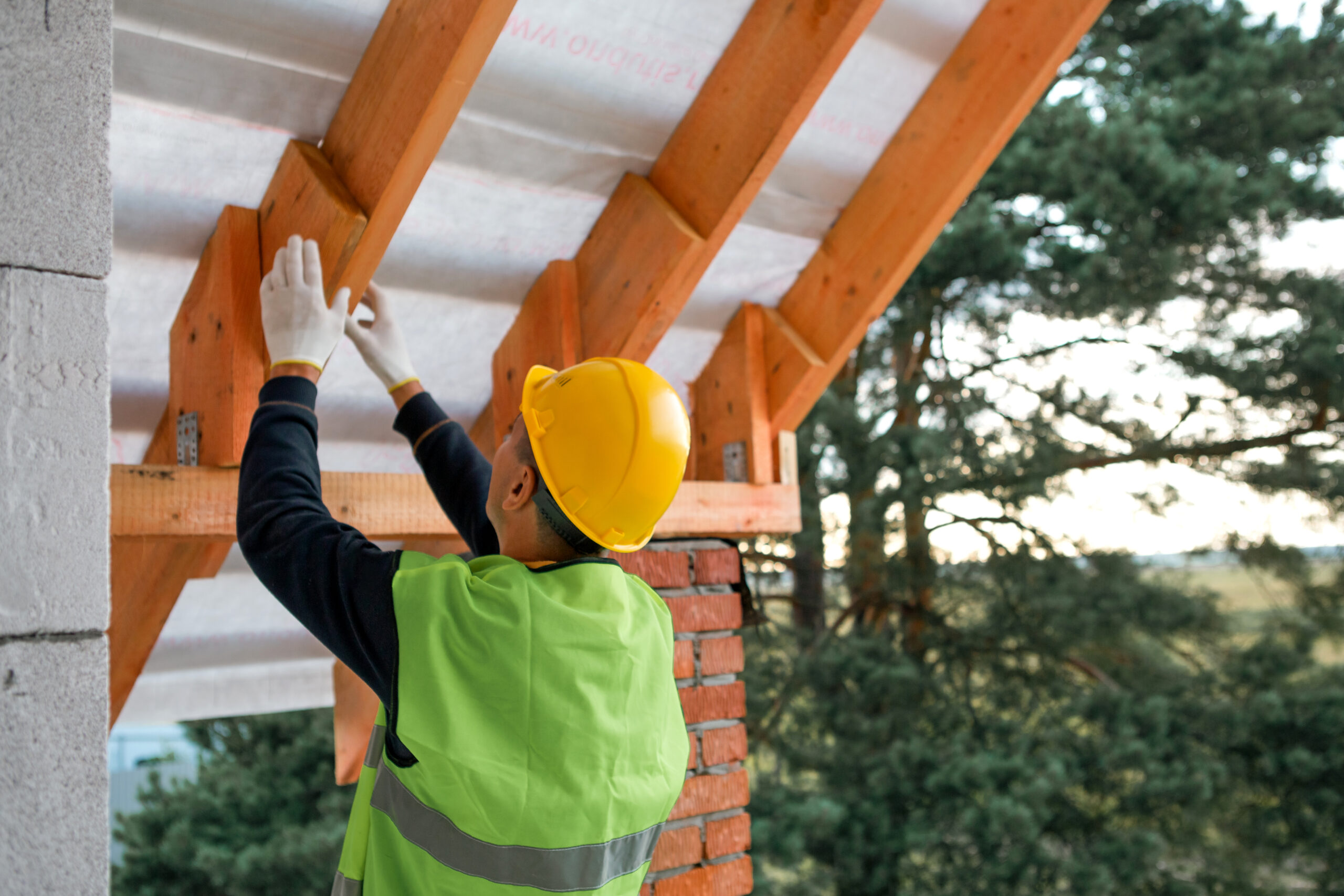
Viga beams are among the most recognizable architectural features of Southwestern and Arizona-style homes. Whether incorporated into patios, parapets, porches, rooflines or decorative exterior elevations, exposed vigas add warmth, texture and architectural depth.
The challenge is exposure.
Viga ends can receive direct Arizona sunlight for hours every day. They are also exposed to heat, wind, dust and seasonal moisture. Over time, small cracks can become larger splits, coatings can fail, and portions of the exposed wood may begin to soften, crumble or lose their original shape.
Sticks ’n Steel Construction provides beam end repair and exposed beam restoration for Phoenix-area homeowners. When damage is repairable, the goal is not simply to fill the deteriorated area. The goal is to address the damage while preserving the shape and architectural character of the original viga.
An exposed wood feature may be structural, decorative or part of a larger assembly. The appropriate repair depends on the condition of the wood, depth of deterioration and role of the beam.
What Are Viga Beams?
Vigas are wood beams strongly associated with Southwestern, Pueblo and Santa Fe-style architecture.
Historically, vigas served as structural roof beams in traditional adobe and Pueblo construction. On modern Arizona homes, exposed viga-style beams and beam ends may serve structural, architectural or decorative purposes depending on the building.
From the exterior, homeowners commonly see vigas projecting through parapet walls, extending beyond rooflines or appearing as exposed wood details above patios and exterior elevations.
These exposed ends contribute significantly to the home's appearance. They are also the portions most directly exposed to weather.
Why Vigas Matter to Arizona Architecture
Vigas complement many of the architectural elements associated with Southwestern homes: stucco walls, parapets, deep overhangs, desert landscaping and outdoor living spaces.
Their exposed profiles create shadow lines and visual depth that would be difficult to reproduce with a flat exterior elevation.
That makes appearance an important consideration during repair. Removing deterioration is only part of the job. The repaired end should also respect the original proportions, profile and character of the home's architecture.
Why Viga Ends Crack, Split & Deteriorate
Arizona's dry climate does not mean exterior wood is protected from deterioration. In fact, the combination of prolonged sunlight, heat, drying and periodic moisture can be difficult on exposed wood surfaces.
UV Exposure
Prolonged direct sunlight contributes to weathering and deterioration of exterior wood finishes.
Heat & Drying
Intense heat and drying can contribute to checking, cracking and splitting in exposed wood.
Exposed End Grain
The end of a beam can become particularly vulnerable when protective coatings fail.
Monsoon Moisture
Wind-driven rain can reach cracks, open joints and deteriorated coatings during Arizona storms.
Failed Finishes
Aging paint, stain or sealant can expose the underlying wood to additional weathering.
Previous Patch Repairs
Surface filler and older patchwork may separate when the underlying deterioration was never fully addressed.
Learn more in our guide to why exposed beams deteriorate in Arizona .
Signs Your Vigas May Need Repair
Viga deterioration does not always begin with a dramatic failure. Early damage may appear as weathering or small cracks at the exposed end.
As deterioration progresses, the beam may begin losing material or its original shape.
- Cracking at exposed beam ends
- Splitting along the wood grain
- Soft, brittle or crumbly wood
- Missing sections of the beam end
- Peeling paint or failed exterior coatings
- Dark staining around cracks or end grain
- Visible decay or deteriorated wood
- Previous patchwork separating from the beam
- Distorted or uneven beam-end profiles
- New deterioration following storms
Damage limited to the exposed end may offer more repair options than deterioration that has progressed significantly farther into the beam.
Can Damaged Viga Ends Be Restored?
In many situations, deterioration concentrated at the exposed end can be repaired while preserving the rest of the beam.
Restoration may involve removing failed material, preparing the remaining wood, rebuilding missing portions, recreating the original profile and properly finishing the restored area.
Whether that approach is appropriate depends on what remains after the deteriorated material is removed.
- The primary deterioration is concentrated at the exposed end
- The remaining wood is suitable for restoration
- The damaged profile can be recreated appropriately
- Preserving the original architectural detail is desirable
- Full-beam replacement would create unnecessary disruption
- The repair can be adequately protected afterward
If deterioration extends substantially into a structural beam, a different repair strategy or replacement may be appropriate. The determination should be based on the actual condition of the beam rather than appearance alone.
How Viga Beam Repair Works
A proper viga repair begins by evaluating the condition rather than simply applying new filler over the damaged area.
Inspect the Viga
Determine the visible extent of deterioration and whether the exposed feature appears decorative, structural or part of a larger building assembly.
Remove Unsound Wood
Loose, deteriorated and unstable material is removed so the actual extent of the repair can be evaluated.
Prepare the Remaining Beam
The remaining material is prepared for the selected restoration method.
Rebuild the Damaged End
Missing or deteriorated portions are rebuilt when restoration is appropriate for the condition.
Recreate the Viga Profile
The repair is shaped and sanded to preserve the appearance of the original exposed beam as closely as practical.
Finish & Protect
The restored area is finished appropriately. Protective caps may also be considered where additional exposure protection makes sense.
Epoxy Restoration for Damaged Viga Ends
Epoxy restoration can be useful when deterioration is localized and the remaining wood provides an appropriate foundation for repair.
The process is more involved than covering the surface with filler. Failed material is first removed. The remaining area is prepared, the missing section is rebuilt, and the restoration is shaped and sanded to reproduce the original beam-end profile.
This approach can be particularly useful for decorative and rounded viga ends where preserving the original appearance is important.
Read our complete explanation of how epoxy beam restoration works .
Protective Caps for Repaired Viga Ends
Once a damaged viga end has been properly restored, it may make sense to reduce the amount of direct weather exposure the repaired section receives.
Protective metal caps can be fabricated to cover exposed beam ends. Depending on the installation, they can help shield the repaired area from direct sunlight and rain.
- Useful for highly exposed viga ends
- Helps reduce direct UV exposure
- Helps reduce direct rain contact
- Can protect the repaired portion of the beam
- May be especially useful where deterioration has occurred repeatedly
Caps do not eliminate maintenance and should not be used to conceal unresolved deterioration.
Read our guide to protective beam caps for exposed beams for a more detailed explanation.
Viga Repair vs. Replacement
One of the most important questions is whether the damaged section can reasonably be restored or whether the beam requires more extensive work.
| Consideration | Repair May Make Sense | Replacement May Be Needed |
|---|---|---|
| Damage Location | Primarily concentrated at the exposed end. | Deterioration extends substantially farther into the beam. |
| Remaining Wood | Suitable material remains for the restoration. | Extensive deterioration remains after damaged material is removed. |
| Structural Role | Condition permits an appropriate localized repair. | Damage affects structural performance or requires broader correction. |
| Architecture | Original beam profile can be preserved. | The existing member cannot reasonably be restored. |
| Project Scope | Localized restoration addresses the actual deterioration. | A larger repair is necessary to address the underlying condition. |
For a deeper explanation, see repair vs. replacement for rotted exposed beams .
Preserving the Southwestern Character
A viga is more than a piece of exposed wood. It is part of the architectural language of the home.
An obvious patch, flattened profile or mismatched repair can alter the appearance even when the deterioration itself has been covered.
A thoughtful restoration considers both the condition of the beam and the way it integrates visually with the surrounding parapet, stucco, patio or exterior elevation.
When localized restoration is appropriate, preserving the original feature can maintain the character of the home while avoiding more extensive replacement than the condition requires.

Written by Travis
Travis is the founder of Sticks ’n Steel Construction, a family-owned Arizona construction company.
Travis grew up in a family of general contractors in Southern Arizona, giving him early exposure to construction before moving into project management and construction leadership.
He later earned a degree in business management and economics from the University of Arizona and has managed hundreds of construction projects across the United States and Canada.
Today, Travis personally oversees Sticks ’n Steel projects, bringing that experience to residential construction, structural rehabilitation and specialized exposed-beam restoration projects throughout the Phoenix area.
Exposed Beam Repair Resources
Frequently Asked Questions
Can rotted viga ends be repaired?
Many deteriorated viga ends can be repaired when the damage is localized and suitable wood remains for restoration. More extensive deterioration, particularly involving a structural member, may require a different repair approach or replacement.
What causes viga beams to deteriorate in Arizona?
Common contributors include prolonged UV exposure, heat, cracking, failed exterior coatings and seasonal moisture entering exposed or deteriorated wood.
Is repairing a viga better than replacing it?
It depends on the extent and location of the damage. Localized deterioration may be suitable for restoration, while extensive deterioration or structural concerns may require a broader repair or replacement.
Can epoxy restoration be used on viga beams?
Epoxy restoration may be appropriate for localized deterioration when the remaining wood provides a suitable foundation for the repair. It can be particularly useful for recreating damaged decorative beam-end profiles.
Can you preserve the original shape of a damaged viga?
When restoration is appropriate, the repaired area can be shaped and finished with the goal of matching the original profile as closely as practical.
Do protective caps help repaired vigas?
Protective caps can help reduce direct sun and rain exposure at a repaired viga end. They do not eliminate maintenance and should be installed only after underlying deterioration has been appropriately addressed.
How do I know if a viga is structural or decorative?
Appearance alone may not provide enough information to determine the role of an exposed beam. The construction and surrounding assembly should be evaluated before deciding on the appropriate repair.
Need Viga Beam Repair in the Phoenix Area?
If the exposed vigas on your home are cracked, split, weathered, deteriorated or missing portions of their original profile, Sticks ’n Steel Construction can evaluate the damage and explain whether restoration, a more extensive repair or replacement makes sense.
We provide exposed beam and viga repair for homeowners throughout Phoenix and the Northwest Valley.