
Arizona exterior wood maintenance
Decorative exterior beams are an important part of many Arizona homes. They add architectural depth, shade, texture, and Southwestern character to patios, parapets, rooflines, porches, and exterior elevations. Whether they are vigas, rafter tails, patio beams, or exposed beam extensions, these wood features help define the look of the home.
But because exterior beams are constantly exposed to Arizona sun, heat, wind, dust, and seasonal monsoon moisture, they can begin to crack, split, rot, and deteriorate over time. What starts as minor weathering can eventually turn into missing wood, soft spots, peeling paint, failed patchwork, or beam ends that need professional repair.
Sticks’n Steel Construction provides beam end repair and exposed beam restoration for homeowners throughout the Phoenix area. Knowing the early warning signs can help you address beam damage before it spreads deeper into the wood.
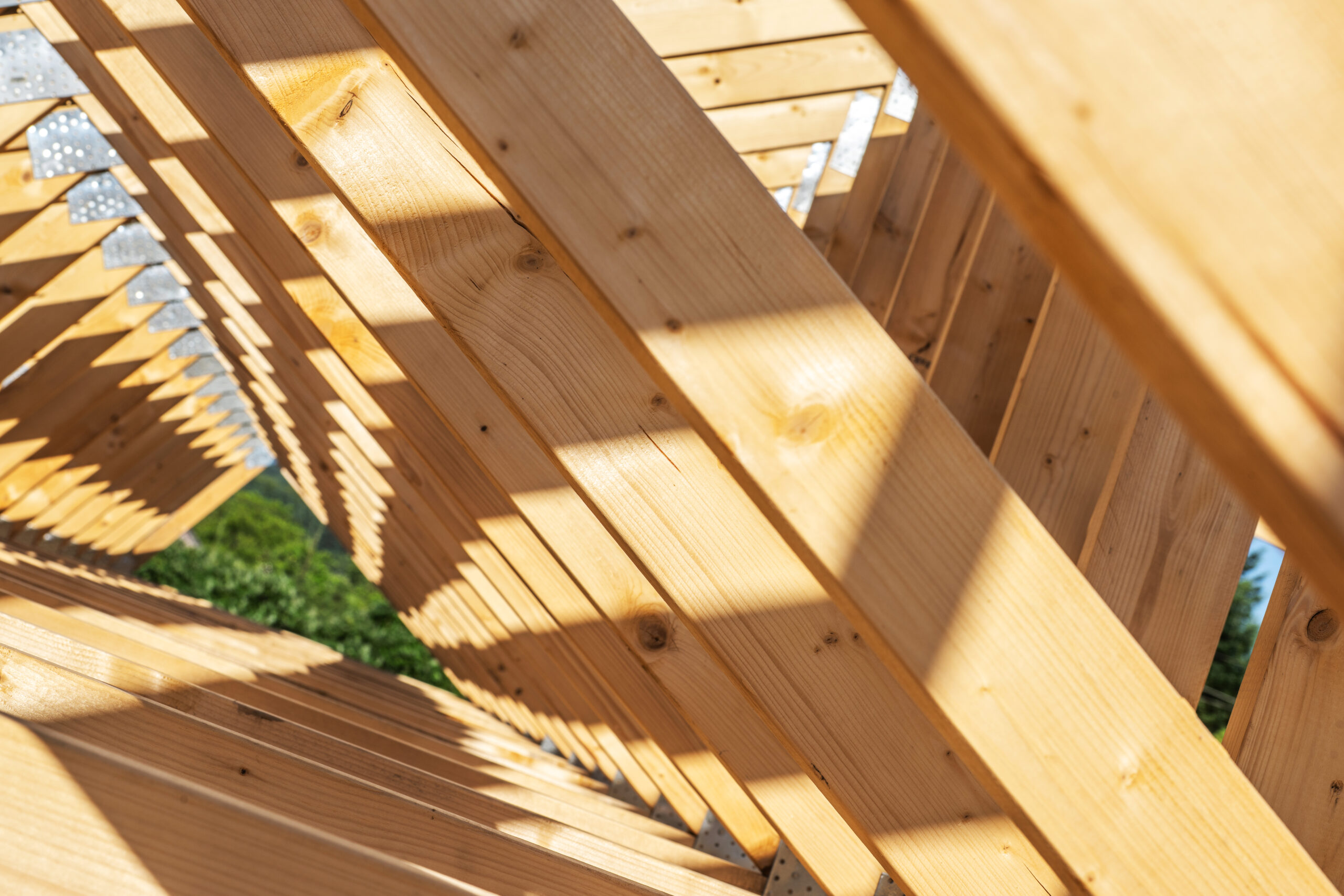
Architectural character worth preserving
Why Decorative Exterior Beams Matter
Decorative exterior beams are more than trim pieces. On many Arizona and Southwestern-style homes, they are part of the architectural identity of the property. Vigas, exposed rafter tails, patio beams, and parapet beam extensions create the desert-style look that many homeowners want to preserve.
When these beams begin to deteriorate, the damage can affect curb appeal and make the home look neglected. In some cases, homeowners assume the entire beam needs to be replaced. However, if the damage is limited to the exposed end and the remaining wood is stable, beam end restoration may be a practical solution.
The key is recognizing the warning signs early. Exterior wood damage usually gets worse with time, especially when cracks allow moisture to enter the beam.
Cracking at the Beam Ends
Cracking is one of the most common signs that decorative exterior beams need attention. Arizona heat and UV exposure can dry out wood, causing the exposed ends to check, crack, and open up over time.
Small cracks may not seem urgent at first, but they can become pathways for moisture. During monsoon storms, rain can enter those cracks. Once moisture gets inside the wood, deterioration can accelerate.
- Small surface cracks at the beam end
- Deep cracks extending into the wood
- Cracks that widen over time
- Cracks near old patchwork
- Cracks that collect moisture or debris
If cracking is limited and the beam remains stable, repair may involve cleaning out damaged areas, rebuilding the beam end, shaping the repair, and applying a protective finish.
Splitting Along the Wood Grain
Splitting is another warning sign that exterior beams may need repair. While some checking is common in exterior wood, larger splits can expose more of the beam to sun, moisture, and pests.
Splits often follow the grain of the wood. As the beam expands and contracts from heat and moisture cycles, those splits can grow. Once they become large enough, they may allow water to reach deeper areas of the beam.
Splitting is especially common on exposed beam ends, rafter tails, and vigas because those areas receive more direct exposure than protected portions of the home.
To understand why this happens so often in the desert climate, read our article on why exposed beams rot in Arizona.
Soft, Crumbling, or Rotted Wood
Soft or crumbling wood is a stronger sign that the beam needs professional attention. When wood becomes soft, brittle, flaky, or crumbly, deterioration may already be underway.
Rotted wood may appear darker than surrounding areas, break apart easily, or feel weak when touched. On decorative beam ends, rot often begins where water has entered cracks or exposed end grain.
- Soft spots at the beam end
- Wood that flakes or crumbles
- Dark or discolored areas
- Sections that feel hollow
- Material breaking away from the beam
When rot is limited to the exposed end, repair may be possible. The damaged material can often be removed, the remaining wood can be prepared, and missing sections can be rebuilt using a professional restoration process.
Missing Chunks or Hollowed Beam Ends
Missing wood is one of the most visible signs that exterior beam repair may be needed. Homeowners may notice corners breaking off, uneven beam ends, hollowed areas, or sections that appear to have worn away over time.
This type of damage can happen when cracking, rot, and weather exposure continue for years without repair. It can also happen when previous patch repairs fail and pull away from the original beam.
Missing chunks do not always mean full replacement is required. If the main beam remains sound, the damaged end may be rebuilt and reshaped. This is where epoxy beam restoration may be useful.
Peeling Paint, Failed Stain, or Exposed Raw Wood
Paint, stain, and sealant are important protective layers for exterior wood. When these coatings fail, the wood underneath becomes more vulnerable to sun and moisture damage.
- Peeling paint
- Flaking stain
- Faded or chalky finish
- Exposed raw wood
- Cracked sealant
- Uneven weathered surfaces
Once raw wood is exposed, the beam end can dry out faster and absorb moisture more easily. A failed finish should be addressed before the beam begins to lose material or develop deeper rot.
Dark Staining After Rain or Monsoon Moisture
Dark staining around cracks, beam ends, or old patch areas can be a sign that moisture is entering the wood. During monsoon season, rainwater can find its way into small openings and remain trapped beneath old coatings or failed repairs.
Moisture staining may appear as dark streaks, blotches, or discoloration near the exposed end of the beam. If the area stays damp or continues to darken after storms, the beam should be evaluated.
Moisture does not always create visible rot immediately. But over time, repeated wetting and drying can lead to deterioration, cracking, and soft wood.
Failed Previous Patch Repairs
Many decorative exterior beams have been patched at some point. Some repairs hold up well when properly prepared and protected. Others fail because damaged material was not removed, the wrong filler was used, or the repaired area was left exposed to the same weather conditions that caused the original problem.
- Patch material separating from the beam
- Cracks around the repaired area
- Bulky or uneven filler
- Moisture staining near the patch
- Paint peeling over the repaired section
- Old repair material falling out
Failed patchwork should not simply be covered again. A proper repair should remove unstable material, prepare the remaining wood, rebuild the damaged area, and protect the finished repair.
Preserve when practical
When Beam Damage Can Be Repaired
Decorative exterior beam damage can often be repaired when the deterioration is limited to the exposed end and the remaining wood is stable. This is common with vigas, rafter tails, patio beams, and parapet beam extensions where the ends receive the most exposure.
- Damage is limited to the exposed end
- The main beam remains sound
- The damaged area can be cleaned properly
- Missing sections can be rebuilt and shaped
- The beam is decorative or partially decorative
- The original appearance can be preserved
Repair may include removing damaged material, rebuilding missing sections, shaping and sanding the repair, finishing the beam, and adding protective beam caps when appropriate.
Safety and reliability first
When Replacement May Be Needed
Replacement may be necessary when the damage extends too far into the beam or affects structural integrity. If the beam is soft through a large section, severely decayed, or unable to perform its intended function, restoration may not be the right answer.
- Rot extends deep into the beam
- The beam is structurally compromised
- The wood is unstable across a large area
- Previous repairs have failed repeatedly
- The beam cannot be restored reliably
- Moisture damage is widespread
For more detail, read our guide on repair vs. replacement for rotted exposed beams.
Why Early Beam Repair Matters
Decorative exterior beam damage usually gets worse when it is ignored. Small cracks can widen, failed finishes can expose raw wood, and moisture can continue moving into the beam. Early repair can help preserve the original beam, reduce unnecessary replacement, and maintain the home’s appearance.
For Arizona homes, this is especially important because exterior wood is exposed to harsh conditions year-round. Repairing damaged beam ends and protecting them properly can help extend the life of these architectural features.
Common homeowner questions
Frequently Asked Questions About Decorative Exterior Beam Repair
How do I know if my exterior beams need repair?
Common signs include cracking, splitting, soft or crumbly wood, missing chunks, peeling paint, dark staining after rain, visible dry rot, and failed previous patch repairs.
Can decorative beam ends be repaired instead of replaced?
Yes, many decorative beam ends can be repaired if the damage is limited and the remaining wood is stable. The damaged area can often be rebuilt, shaped, finished, and protected.
What causes decorative exterior beams to deteriorate in Arizona?
Arizona sun, UV exposure, dry heat, monsoon moisture, aging finishes, and exposed end grain can cause exterior beams to crack, split, rot, and deteriorate over time.
Are vigas and rafter tails repairable?
Yes, vigas, rafter tails, patio beams, and decorative beam extensions can often be repaired when the damage is isolated and the main beam remains sound.
Do protective caps help after beam repair?
Protective caps can help shield repaired beam ends from direct sun and moisture. They may help reduce future weather damage when installed after proper restoration.
Exterior beam repair in Phoenix, Arizona
Schedule an Exterior Beam Repair Consultation
If your decorative exterior beams, vigas, rafter tails, patio beams, or parapet beam extensions are cracked, rotted, split, weathered, or missing sections, Sticks’n Steel Construction can help. Our team provides beam end repair, exposed beam restoration, epoxy rebuilding, dry rot repair, and protective beam cap solutions throughout the Phoenix area.